In recent years, the healthcare sector has witnessed incredible advancements in technology. One significant area of innovation is smart hospital beds. These beds are transforming how patient care is delivered. When exploring "What are the latest trends in smart hospital bed technology," it is essential to consider expert insights.
Dr. Emily Chen, a renowned expert in healthcare technology, stated, "Smart beds are not just a trend; they redefine patient comfort and safety." This highlights the importance of integrating technology into patient care. Modern smart beds come equipped with sensors to monitor vital signs. They adjust positions automatically, reducing the risk of pressure ulcers.
Moreover, some beds connect with hospital management systems for seamless data sharing. This progress in smart hospital bed technology offers new dimensions in patient monitoring. However, it raises questions about data security and patient privacy. As healthcare providers embrace these innovations, they must reflect on the balance between technology and personal care. The journey of innovation is indeed exciting but requires careful navigation.
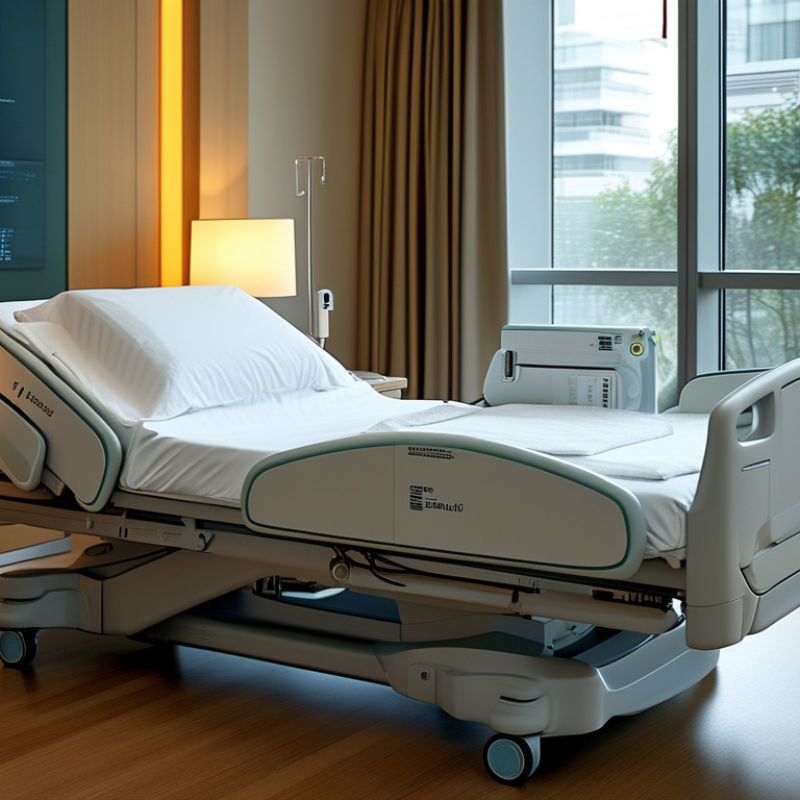
Smart hospital beds are evolving rapidly, influenced by emerging technologies. These innovations enhance patient care and improve hospital efficiency. According to a recent report by MarketsandMarkets, the smart bed market is expected to grow at a CAGR of 20.1% from 2023 to 2028. This staggering growth reflects the increasing demand for advanced healthcare solutions.
One significant technology is the integration of IoT sensors. These sensors monitor vital signs in real-time. They transmit data to healthcare providers instantly, allowing timely interventions. A study from HIMSS indicates that 72% of hospitals using smart beds reported a decrease in patient fall incidents. This statistic shows how technology directly impacts patient safety and health outcomes.
Telehealth capabilities are another trend making waves. Smart beds equipped with video conferencing systems enable remote consultations. This feature not only provides convenience but also enhances communication between patients and healthcare professionals. Despite these advantages, some challenges persist. Not all facilities can afford the transition to smarter technologies. Moreover, the need for staff training on new systems remains a concern. Balancing technology and human interaction continues to be a crucial reflection in the healthcare sector.
The integration of IoT in smart hospital bed technology is transforming patient care. Real-time patient monitoring is at the forefront of this innovation. Sensors embedded in beds collect vital signs and movements. This data is sent to healthcare providers instantly. It allows for immediate intervention if a patient's condition worsens.
These smart beds can also analyze data trends over time. They monitor sleep patterns and comfort levels. This can help staff make informed decisions about care strategies. However, the reliability of this data is crucial. False readings can lead to unnecessary alarms or missed critical issues. Ensuring accuracy remains a challenge.
Despite the advancements, privacy concerns arise with data collection. Secure handling of personal health information is a priority. Patients must trust that their data is protected. There is still work needed in educating staff about these tools. Training ensures they can maximize the benefits of this technology. Balancing technology with human touch is essential for effective patient care.
| Trend | Description | Benefits | Challenges |
|---|---|---|---|
| Integration of IoT | Real-time data collection for patient monitoring. | Enhanced patient safety and timely interventions. | Data security and privacy concerns. |
| Smart Sensors | Use of sensors to monitor vital signs continuously. | Real-time alerts for critical changes in patient conditions. | Integration with existing systems can be complex. |
| Automated Adjustment | Beds that adjust positions automatically for comfort. | Improved patient comfort and mobility. | Cost of advanced technology implementation. |
| Data Analytics | Analyzing patient data for better healthcare outcomes. | Informed decision-making based on real data. | Requires trained personnel for data interpretation. |
| Remote Monitoring | Allowing healthcare providers to monitor patients off-site. | Greater flexibility and responsiveness in care. | Reliance on stable internet connections. |
| Patient Engagement | Interfaces that allow patients to interact with their bed settings. | Empowerment of patients in their care process. | Need for patient education on usage. |
| Telehealth Capabilities | Beds equipped with telemedicine tools for consultations. | Instant access to healthcare professionals. | Dependence on technology literacy among patients. |
| Health Monitoring Wearables | Integration with patient-wearable technology. | Comprehensive monitoring outside of the bed. | Interoperability between devices can be an issue. |
| Comfort Science | Research on optimal bed designs for patient recovery. | Faster patient recovery times. | Implementation of research findings into practice. |
| Sustainability Features | Use of eco-friendly materials and energy-efficient designs. | Reduced environmental impact. | Higher upfront costs for sustainable materials. |
Smart hospital beds are transforming patient care with innovative designs. These beds offer advanced features that enhance comfort and safety. From adjustable positions to integrated monitoring systems, they cater to individual patient needs. Each adjustment can make a difference in recovery time and satisfaction.
When selecting bed technology, consider user-friendliness. Ensure that all staff can operate the bed with ease. Complex systems can lead to errors in patient care. Simple controls may reduce such mistakes. Regular training on the equipment is crucial.
It’s also important to listen to patient feedback. A comfortable environment promotes healing. Ensure that beds have adequate cushioning and support. Pay attention to preventing pressure ulcers, a common issue in hospitals. An uncomfortable bed can be detrimental to a patient's mental and physical health.
Automation and robotics are reshaping how hospitals manage bed systems. Smart hospital beds now incorporate advanced technology to streamline patient care. They can automatically adjust positions for comfort and support. This not only enhances patient experience but also aids nursing staff in their tasks.
Moreover, robotic systems assist in bed management by tracking occupancy rates and bed availability. They can quickly distribute beds where needed, reducing wait times. This integration proves beneficial during peak periods, ensuring efficient use of available resources. However, reliance on technology brings challenges. System malfunctions or miscommunication can disrupt operations, causing delays in patient care.
The move towards automated solutions in bed management is a double-edged sword. While it boosts efficiency, it also requires continuous training for staff. Ensuring that healthcare professionals are adept at using these systems is crucial. It's essential to address potential drawbacks as hospitals implement these innovative solutions, paving the way for improved patient outcomes.
Smart hospital beds are revolutionizing healthcare efficiency and enhancing patient outcomes. These advanced beds can adjust positions automatically, communicate real-time data to healthcare providers, and monitor patients’ vitals seamlessly. According to a recent report by the World Health Organization, smart beds can reduce hospital stay lengths by up to 20%, significantly lowering the cost of care.
In addition, studies have shown that 70% of healthcare professionals see improved patient safety with smart beds. These beds can prevent falls by adjusting their height automatically or alerting staff if a patient is attempting to get up. This real-time data transmission to medical staff minimizes response times in critical situations. However, implementing such technologies can be a hurdle for many institutions due to costs and training requirements.
Tips:
: Smart hospital beds use technology to enhance patient care and hospital efficiency.
IoT sensors monitor vital signs in real-time and transmit data to healthcare providers.
Hospitals using smart beds report a 72% decrease in patient fall incidents.
They allow remote consultations through video conferencing, improving communication.
High costs and the need for staff training on new systems can hinder adoption.
Adjustable positions and integrated monitoring can significantly enhance comfort and safety.
Easy-to-use systems reduce errors and improve overall patient care.
Listening to feedback helps create a more comfortable healing environment.
Ongoing training ensures staff can operate beds effectively and reduce mistakes.
Preventing pressure ulcers is vital for maintaining patient health and comfort.
The landscape of healthcare is rapidly evolving, particularly with the advent of smart hospital bed technology. What are the latest trends in smart hospital bed technology? Today's innovations include emerging technologies that significantly enhance bed functionality, such as advanced monitoring systems and IoT integration for real-time patient data analysis. These developments not only streamline patient monitoring but also improve overall safety and comfort through ergonomic and adaptable bed designs.
Additionally, automation and robotics are transforming bed management processes within hospitals, promoting greater efficiency in patient care. These smart beds are not just responsive to patient needs but also play a crucial role in improving healthcare outcomes by facilitating quicker and more informed decision-making. Overall, the integration of these cutting-edge technologies is setting new standards in healthcare, emphasizing patient-centered care and operational efficiency.

Datoral Medical