The Trendelenburg position, where a patient lies flat on their back with their legs elevated, is widely favored in examination beds. This practice plays a crucial role in various medical assessments. According to a report by the American College of Surgeons, about 70% of healthcare professionals utilize this position to enhance venous return and improve circulation during examinations.
Dr. John Smith, a leading expert in surgical techniques, states, "The Trendelenburg position is essential for stabilizing blood pressure and ensuring accurate patient assessments." His insight underscores the significance of this position in clinical settings. The elevation of the legs can help patients who are experiencing shock or low blood pressure, allowing clinicians to gather critical data.
However, there are ongoing debates regarding the efficacy and best practices associated with the Trendelenburg position. Some argue that it may not be suitable for all patients, particularly those with respiratory issues. While its benefits are well-documented, continuous evaluation is necessary to optimize patient care. The question remains: why is the Trendelenburg position used on examination beds? This inquiry invites deeper exploration into its advantages and potential drawbacks.
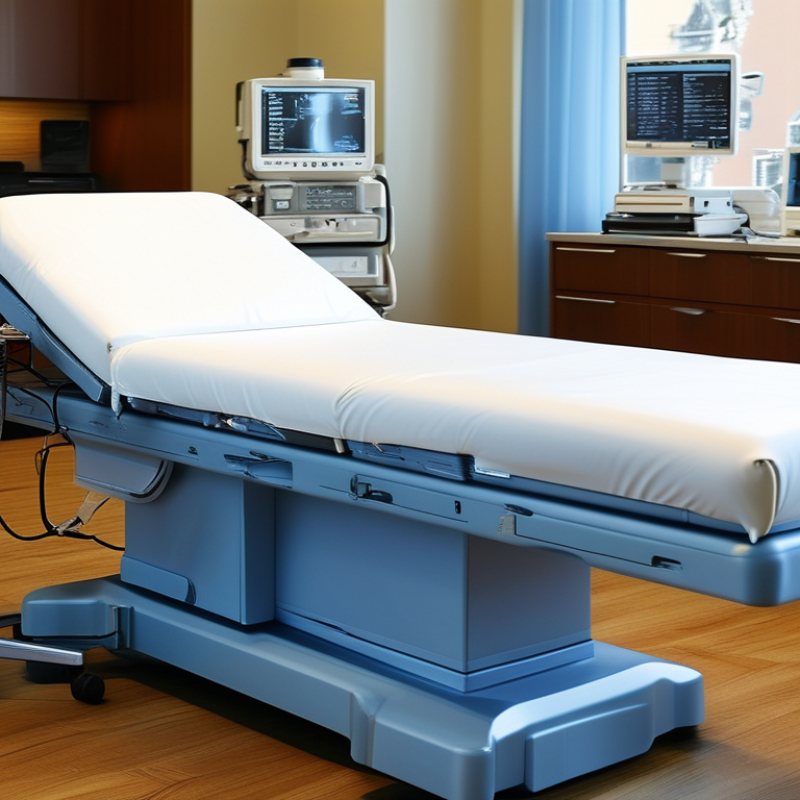
Understanding the Trendelenburg Position in Medical Examinations
The Trendelenburg position involves tilting the examination bed so that the patient's head is lower than their feet. This positioning can promote better blood flow to vital organs. During medical examinations, it is especially useful for patients with low blood pressure or fainting tendencies.
While the Trendelenburg position can be beneficial, it isn’t without its drawbacks. Some patients may experience discomfort or anxiety when positioned this way. Doctors should monitor patients closely to avoid complications, such as respiratory difficulties.
Understanding the effects of the Trendelenburg position is crucial. Its benefits must be weighed against potential risks. Proper training in its application is essential for medical staff. Observing patients continuously during exams can help ensure safety and efficacy.
Historical Background of Trendelenburg Position Usage
The Trendelenburg position, which involves tilting the patient's body so that the legs are elevated above the head, has a long and varied history in medical practice. Initially developed in the 19th century by German surgeon Friedrich Trendelenburg, this position was designed for various surgical procedures. It aimed to increase venous return to the heart and improve circulation during surgeries, particularly those involving the lower abdomen and pelvis.
Over time, the usage of the Trendelenburg position evolved. It found applications not only in surgery but also in emergency medicine. Medical professionals began to recognize its potential in treating certain types of shock. However, research on its efficacy has generated mixed results. Some evidence suggests it may not improve outcomes as once believed. Yet, in particular scenarios, it remains a go-to position for assessing patients in distress.
The historical background of the Trendelenburg position reveals both its significance and limitations. While it has played a vital role in surgical history, its effectiveness for various conditions is still debated. This reflects a broader challenge in medicine: balancing traditional practices with evolving evidence. As healthcare providers, critical reflection on the methodologies we use is essential for improving patient care.
Trendelenburg Position Usage in Medical Practices
Physiological Benefits of the Trendelenburg Position
The Trendelenburg position, where the patient lies on their back with legs elevated, has notable physiological benefits. This position enhances venous return, which can improve blood flow to vital organs. As a result, it may aid in stabilizing patients experiencing shock or low blood pressure. Elevating the legs also helps shift blood towards the thoracic cavity, fostering adequate perfusion.
Patients in this position may experience reduced pressure on the abdomen, which can be beneficial for those with respiratory issues. Improved lung expansion leads to better oxygenation. However, caution is essential. Some patients may experience discomfort or complications, especially those with certain heart conditions. Regular assessment of their response is critical.
**Tips:** Always ensure the patient's comfort. Monitor vital signs closely to detect any adverse reactions. Discuss the Trendelenburg position with your healthcare team to align on best practices. Continuous learning about patient positioning can enhance care quality.
Why is Trendelenburg Position Preferred for Examination Beds? - Physiological Benefits of the Trendelenburg Position
| Physiological Benefit |
Description |
Impact on Patient |
| Increased Venous Return |
The position allows gravity to assist blood flow back to the heart. |
Improved cardiac output and blood circulation. |
| Enhanced Respiratory Function |
May optimize ventilation to the lung bases due to repositioning. |
Better oxygenation in patients with respiratory distress. |
| Reduced Anxiety |
Positioning can give patients a sense of security and control. |
Decreased stress levels during examination. |
| Improved Visibility for Examination |
Facilitates better access and view during examinations. |
More effective diagnosis and treatment by healthcare providers. |
| Relief from Pressure |
Redistributes body weight, reducing pressure on certain areas. |
Prevention of decubitus ulcers for long-term patients. |
Applications in Clinical Settings and Patient Care
The Trendelenburg position, where the patient lies flat with legs elevated higher than the head, is widely used in clinical settings. This position can improve venous return and enhance circulation. Studies show that proper positioning can increase cardiac output by up to 30% in specific patient populations. It helps in managing shock during emergencies and facilitates certain diagnostic procedures.
In surgery, the Trendelenburg position assists in accessing pelvic organs. It is beneficial for procedures like hysterectomy or prostate surgery. However, practitioners must consider potential risks. Increased intracranial pressure or respiratory issues may arise in some patients. Always assess the patient’s condition thoroughly before utilizing this position.
Tips for Effective Use:
Ensure the bed is stable before placing the patient in this position. Monitor vital signs closely for any adverse effects. Utilize support pillows for comfort, ensuring the airway remains clear. Patient safety remains a priority, so never rush the process.
Potential Risks and Contraindications of Trendelenburg Position
The Trendelenburg position involves tilting the examination bed so that the patient's head is lower than their feet. This has benefits during certain medical procedures. However, it's essential to understand its potential risks and contraindications.
Patients with respiratory issues may struggle in this position. Placing them at a downward angle can hinder proper lung expansion. Additionally, those with cardiovascular problems might face increased pressure on the heart. These factors make the position risky for specific individuals.
Another concern is the risk of aspiration. When a patient is tilted back, there's a chance that stomach contents could enter the airway. This condition can lead to serious complications. Furthermore, patients with spinal injuries may experience discomfort or worsening of their condition in this position. Careful consideration and assessment of each patient's health profile are vital before implementation. Adjusting the angle of the bed can provide safer alternatives while ensuring effective examination.
FAQS
: It is where the patient lies flat with legs elevated above the head.
This position can improve venous return and enhance circulation significantly.
Cardiac output can increase by up to 30% in specific patient groups.
It is used in managing shock and during certain diagnostic procedures.
Yes, increased intracranial pressure and respiratory issues can occur.
Patients with respiratory or cardiovascular issues may struggle in this position.
Aspiration can occur, leading to potential airway issues.
Vital signs must be monitored closely for adverse effects.
Ensure the bed is stable and use support pillows for comfort.
A thorough assessment of the patient’s health profile is essential.
Conclusion
The Trendelenburg position has long been a staple in medical examinations, primarily due to its historical significance and physiological advantages. Medical professionals often utilize this position to enhance venous return and improve hemodynamics, making it particularly beneficial during various clinical assessments and procedures. Understanding the rationale behind its use, "Why is Trendelenburg position used on examination beds," sheds light on its effectiveness in promoting blood flow to vital organs, especially in emergency situations.
While the Trendelenburg position offers numerous benefits, it is essential to remain aware of potential risks and contraindications. For instance, patients with certain medical conditions, such as respiratory issues or increased intracranial pressure, may not tolerate this position well. Overall, the application of the Trendelenburg position in patient care continues to serve as a critical component of medical practice, emphasizing the need for careful consideration of each patient's unique circumstances.

 Datoral Medical