Top Safety Standards for Medical Baby Cribs You Should Know?

Time:2026-05-22 Author:Oliver
0%

The safety of newborns is paramount, especially in medical environments. Understanding what are the safety standards for medical baby cribs is essential for hospitals and caregivers. Dr. Emily Sanders, a pediatric safety expert, once stated, "The highest standards are not just important—they are vital for each child's well-being."

Medical baby cribs must adhere to strict regulations. These standards ensure that cribs provide a safe and secure space for vulnerable infants. Features like rounded corners, adjustable height, and proper ventilation are essential. They help minimize risks like suffocation and falls. Many healthcare facilities may overlook certain specifics, leading to potential hazards.

Regular reviews of these standards are crucial. They can vary regionally and may change. Hospitals must stay updated to ensure compliance. Adhering to the latest safety protocols reinforces patient trust. It is a fundamental responsibility to protect our most vulnerable population—newborns in medical settings.
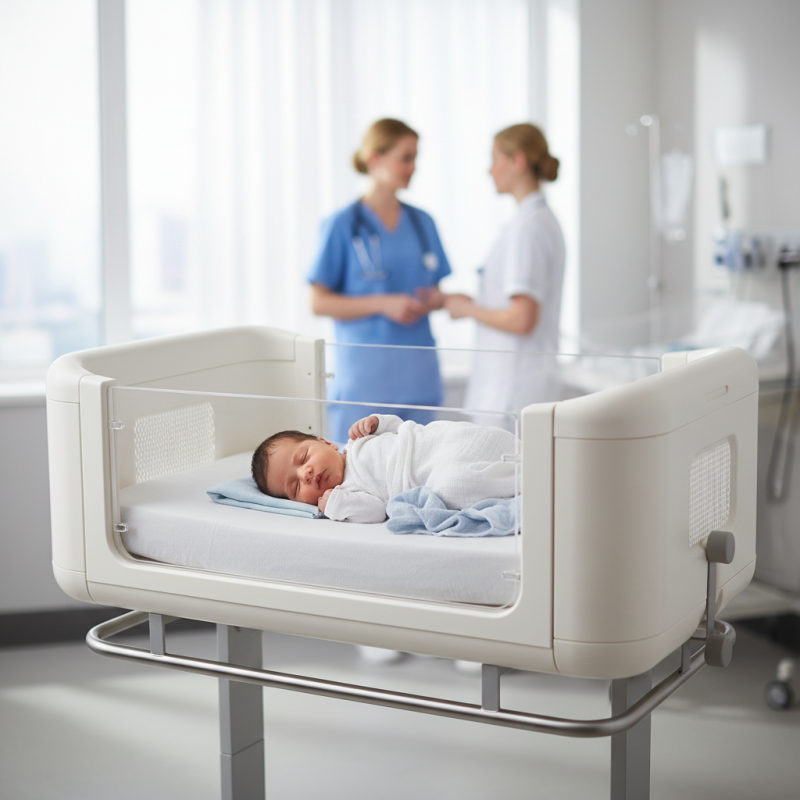
Top Safety Standards for Medical Baby Cribs You Should Know?

Overview of Safety Standards for Medical Baby Cribs

Medical baby cribs play a critical role in healthcare settings. When it comes to safety, specific standards must be met. These standards are essential for ensuring the safety and comfort of infants. Safety requirements vary by region but generally include strict guidelines on materials and construction.

For example, many cribs must have rounded corners and smooth surfaces. This reduces the risk of accidents. Additionally, the height of the crib should prevent any risk of falls. Guidelines also recommend that cribs be made with non-toxic materials, as infants are more susceptible to harmful substances. Regular safety checks and maintenance are crucial too. They can help identify wear and tear that could pose risks.

However, many healthcare providers still overlook some of these standards. It’s vital to conduct training and audits regularly. Learning from past incidents is essential for improvement. Attention to detail can make a significant difference in safety outcomes. The commitment to safety should never waver. Establishing a culture of safety ensures that the highest standards are maintained consistently.

Key Regulatory Bodies Involved in Crib Safety Standards

When it comes to ensuring the safety of baby cribs, several key regulatory bodies play a vital role. The U.S. Consumer Product Safety Commission (CPSC) establishes regulations that are fundamental. They focus on testing physical structures to prevent hazards like entrapment and suffocation. Additionally, the American Academy of Pediatrics (AAP) provides guidelines on safe sleep practices, contributing to manufacturing standards. These organizations aim to protect infants from potential dangers.

Tips: Always check for safety certifications. Look for a crib that meets the latest CPSC standards. Regularly inspect the crib for any signs of wear or damage. This proactive approach can prevent accidents.

Insurance companies also recommend using cribs that comply with rigorous safety standards. Understanding these standards can empower parents. However, not every crib on the market may align with these regulations. Research can uncover important safety features, such as slat spacing, which should not exceed 2-3/8 inches. This will help maintain a secure environment for your baby.

Top Safety Standards for Medical Baby Cribs You Should Know

Standard Regulatory Body Key Requirements Certification Process
ASTM F2970 ASTM International Safe structure, no sharp edges, non-toxic materials Third-party testing required to ensure compliance
CPSC Regulations Consumer Product Safety Commission Design and performance requirements, stability tests Routine audits and inspections for manufacturers
ISO 7170 International Organization for Standardization Strength and durability tests for long-term use Compliance through ISO-certified testing labs
EN 1130 European Committee for Standardization Safety, stability, and hygiene standards Testing by notified bodies for CE marking

Essential Design Features for Safe Medical Baby Cribs

When selecting medical baby cribs, safety is a top priority. Essential design features contribute significantly to ensuring the safety of infants. One crucial aspect is the spacing between crib slats. They should be no more than 2 3/8 inches apart to prevent any risk of entrapment. Additionally, the crib’s mattress should fit snugly to avoid any gaps where a baby could get trapped. These details may seem small but can have a major impact on an infant's safety.

Another vital feature is the materials used in the crib's construction. Non-toxic finishes and BPA-free plastics are essential. This minimizes the risk of harmful exposure. The crib should also be sturdy, with no sharp edges or points that could injure a child. Many designs emphasize rounded edges, enhancing safety against unexpected bumps. Lastly, height adjustability offers flexibility. This allows caregivers to lower the mattress as the baby grows. While these features seem standard, constant vigilance in design and oversight is necessary to maintain these safety standards. Reflecting on areas for improvement is crucial to advancing crib safety further.

Common Hazards and Risks Associated with Baby Cribs

When choosing a crib for your baby, safety should be the top priority. While cribs are essential for infant sleep, they come with common hazards. One of the significant risks is the presence of gaps in the crib's slats. These gaps can trap a baby's head or limbs, leading to serious injuries. It is crucial to ensure that the slats are no more than 2 3/8 inches apart. This prevents any entrapment and keeps your little one safe.

Another potential danger is the crib's mattress. A poor-fitting mattress can create an unsafe space for a baby. Parents should always check that the mattress fits snugly within the crib without any sizeable gaps. Additionally, using soft bedding, such as blankets and pillows, can pose suffocation risks. Keeping the crib free from these items is one simple step toward ensuring your baby's safety during sleep.

Parents should also be mindful of the crib's construction materials. Some older models may contain harmful chemicals, like lead paint or phthalates. Regularly inspecting the crib for wear and defects is necessary. A thorough evaluation will help catch issues before they become risks. Identifying these hazards early can prevent accidents and keep your baby safe.

Top Safety Standards for Medical Baby Cribs You Should Know

This chart illustrates the common hazards and risks associated with baby cribs based on safety standards. The data highlights the most prevalent risks and their comparative frequency, emphasizing the importance of adhering to safety regulations in crib design and usage.

Best Practices for Maintaining Safety in Medical Cribs

Maintaining safety in medical baby cribs is crucial for infant welfare. Regular inspections play a significant role in this process. Check for loose screws and damaged parts. Such issues can lead to accidents. Crib mattresses must fit snugly. A gap can pose suffocation risks. Ensure that bedding is minimal. Soft items can create dangers for infants.

Another important aspect is the proper assembly of the crib. Follow the manufacturer’s instructions meticulously. Many accidents occur due to improper setup. It's wise to regularly verify that all assembly components are intact. This vigilance can prevent future mishaps. Additionally, never place the crib near windows or cords. These common household items can become hazardous.

Finally, educate caregivers about crib safety. They should be aware of potential dangers. Keeping the environment safe requires collective effort. Encourage open discussions around safety practices. This creates a culture of awareness and responsibility. Reflect on existing protocols to identify areas for improvement. Continuous assessments can enhance safety standards in medical baby cribs.

FAQS

: What standards do medical baby cribs need to meet?

: Medical baby cribs must meet strict safety guidelines on materials and construction to ensure infant safety.

Why is the spacing between crib slats important?

Slats should be no more than 2 3/8 inches apart, preventing a baby from becoming trapped.

What materials should cribs be made of?

Cribs should be constructed with non-toxic materials, such as BPA-free plastics, to minimize harmful exposure.

How can parents ensure mattress safety in cribs?

Parents should check that the mattress fits snugly, eliminating gaps where a baby could get trapped.

What are common hazards associated with baby cribs?

Common hazards include gaps in slats, poor-fitting mattresses, and the use of soft bedding.

What role do regular inspections play in crib safety?

Regular inspections help identify wear and potential hazards, ensuring cribs remain safe over time.

How can caregivers promote a culture of safety in healthcare settings?

Conducting training and regular audits can help maintain high safety standards and prevent accidents.

What should be avoided in a baby crib's interior?

Soft items like blankets and pillows should be removed to reduce the risk of suffocation.

Why is height adjustability important in cribs?

Height adjustability allows caregivers to lower the mattress as the baby grows, enhancing safety.

What is crucial for improving crib safety over time?

Reflecting on past incidents and areas for improvement is vital for advancing safety standards in cribs.

Conclusion

When considering the safety of infant care environments, it is crucial to understand what are the safety standards for medical baby cribs. These standards are designed to protect vulnerable infants and encompass a range of guidelines established by key regulatory bodies. Essential design features, such as adjustable heights, secure locking mechanisms, and non-toxic materials, are fundamental for ensuring the safety of medical baby cribs.

Additionally, awareness of common hazards, such as gaps that may trap limbs or sharp edges, is vital for caregivers. Implementing best practices in maintenance, including regular inspections and proper cleaning procedures, can significantly enhance safety. By understanding these critical aspects, caregivers can provide a secure sleeping environment for infants in medical settings.

Oliver

Oliver

Oliver is a seasoned marketing professional with a wealth of expertise in driving brand awareness and engagement. With a deep understanding of our company's product offerings, he consistently delivers high-quality content that enriches our professional blog. His insights not only shed light on......