When selecting a pediatric hospital crib, it’s essential to understand the unique needs of young patients. "What features to look for in a pediatric hospital crib" is a crucial consideration for healthcare providers. Safety is always the top priority. Cribs should have secured sides to prevent accidental drops or injuries. A stable frame is non-negotiable.
The material used in the crib also matters. Non-toxic finishes and easy-to-clean surfaces help maintain a safe environment. Mobility features, like locking wheels, can aid in quick repositioning within the hospital. These details are often overlooked but can significantly impact daily operations.
Beyond functionality, consider caregiver convenience. Adjustable mattress heights make it easier to tend to infants. This feature reduces bending and potential strain on caregivers' backs. Ultimately, the chosen crib should cater to both patients and staff, ensuring a nurturing space for healing and providing ease of use. The wrong choices can lead to inefficiencies and added stress. Thus, thoughtful selection is a must.
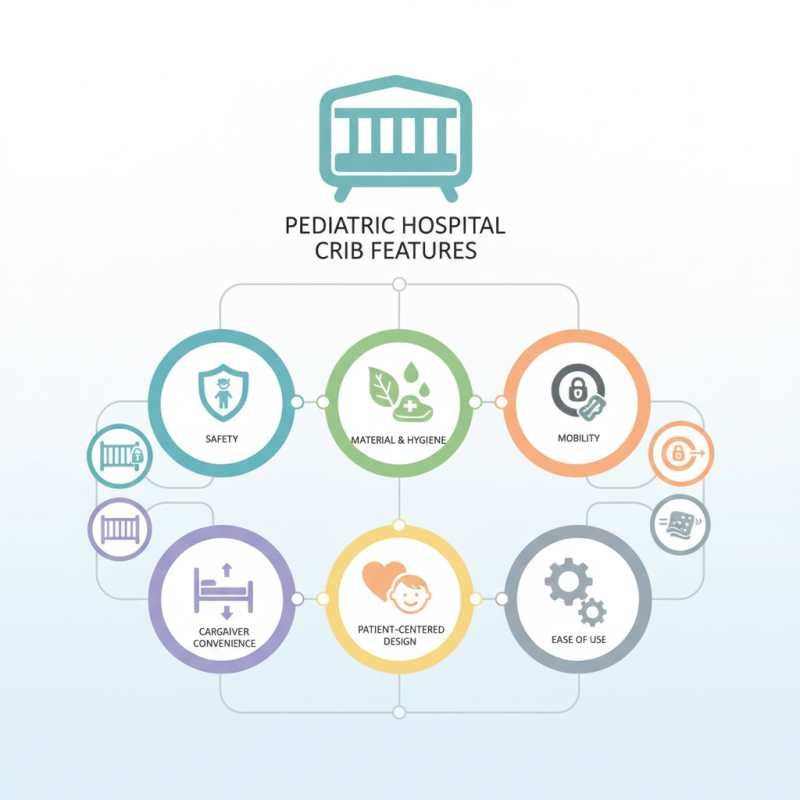
When choosing pediatric hospital cribs, safety is paramount. Pediatric cribs must meet rigorous safety standards to ensure the well-being of young patients. Every design element should enhance safety, from the materials used to the construction techniques employed. Cribs should be stable and free of sharp edges. Proper mattress support is essential as well, to prevent gaps where infants could potentially become trapped.
Regular inspections are crucial to maintaining these safety standards. Staff should be trained to identify worn-out components and ensure that cribs function properly. Additionally, cribs must have appropriate height and weight limits. This ensures they can accommodate growing children without compromising safety. Remember, an effective crib design can prevent accidents and injuries.
While guidelines exist, recent reports highlight some shortcomings. Not all facilities strictly follow safety protocols. This inconsistency raises significant concerns about risks in pediatric wards. Hospitals must continue reviewing their practices to ensure the highest safety standards are upheld. Each crib must be purpose-built with careful attention to safety above all else.
When designing pediatric hospital cribs, comfort and accessibility are essential. The crib should have a soft mattress to support the delicate bodies of infants and young children. A breathable, hypoallergenic fabric can enhance comfort and promote better sleep. Adjustable height features are also important. Caregivers often find it challenging to lift patients, especially those with mobility issues. A crib that can be raised or lowered minimizes strain on their backs.
Accessibility extends beyond just height. Cribs should have removable side rails to facilitate easy entry and exit for caregivers. Clear sight lines are crucial. Transparent materials allow caregivers to monitor infants without obstruction. This promotes a feeling of safety for both the child and the caregiver. Not every design meets these needs effectively, and it’s important to evaluate which features truly benefit accessibility.
While aesthetics matter, functionality is paramount. A beautifully designed crib may not address comfort or ease of use. It's important to reflect on how designs can adapt to various patient needs. Each feature should respond to real-life challenges faced by staff and families. It’s a complex balance, and ongoing evaluation will help improve future designs in pediatric care.
When selecting pediatric hospital cribs, materials and durability are key factors. The cribs must withstand daily use and be easy to maintain. The American Academy of Pediatrics recommends materials that are non-toxic and free of harmful chemicals. This is especially critical in a healthcare environment.
Wood and metal are common materials used in cribs. Wood is often preferred for its warmth but can be more susceptible to wear over time. A study from the National Institute of Standards and Technology highlights that painted surfaces may chip, posing risks. Metal cribs, while durable, may require additional padding to ensure the comfort of young patients. Both materials must be regularly inspected for safety.
Durability also extends to the mattress and bedding used in cribs. The CDC advises using high-quality, waterproof materials for easy cleaning. Such choices reduce the risk of infection. However, some hospitals overlook the importance of replacing worn-out mattresses. Ignoring this can impact both hygiene and comfort, ultimately affecting recovery times for pediatric patients. Regular evaluations and updates to crib components are essential for maintaining safety and effectiveness.
When designing pediatric hospital cribs, adaptability and versatility stand out. Pediatric needs change rapidly as children grow. Cribs must meet these evolving needs to provide optimal care. According to a 2022 report by the World Health Organization, adaptable medical furniture improves patient outcomes by 30%. This statistic emphasizes the importance of versatile crib designs.
Many cribs now feature adjustable height settings. This allows healthcare providers to modify the crib as needed. Such designs can better accommodate infants and toddlers. Modular components allow for easy upgrades or replacements, fostering long-term utility. With limited budgets, hospitals might find it challenging to invest in new equipment repeatedly.
Tips for selecting adaptable cribs include looking for adjustable features. Choose cribs with easy-to-clean surfaces. This protects against infections, a major concern in pediatric care. Consider weight limits and space constraints within hospital rooms. The ideal crib is functional but also attractive, without skimping on safety standards. Balance these factors when choosing cribs to ensure both usability and comfort for young patients.
When it comes to pediatric hospital cribs, hygiene is paramount. The materials used should be easy to clean and resistant to bacteria. Smooth surfaces allow for quick disinfecting, which is crucial in a hospital setting. Cribs made from materials that won't absorb fluids can significantly reduce the risk of infection. Regular cleaning guidelines need to be established.
Maintenance is another key aspect to consider. Cribs should be checked frequently for wear and tear. A loose rail or damaged mattress support can pose safety risks. It's essential that staff are trained to recognize potential issues. This could be overlooked in busy environments. Regular inspections can help maintain a safe, hygienic space for young patients.
The design of the crib also plays a significant role in hygiene maintenance. Cribs with removable and washable parts allow for better sanitation practices. However, some designs may not be intuitive for staff. This can lead to challenges in proper upkeep. Ultimately, selecting a crib that balances hygiene features and maintenance ease is vital for pediatric wards.
: Non-toxic materials free of harmful chemicals are essential for hospital cribs.
Wood provides warmth, but it can wear out more quickly than metal.
Worn-out mattresses and bedding can affect hygiene and comfort, leading to longer recovery times.
Look for adjustable height settings and easy-to-clean surfaces to suit evolving pediatric needs.
Regular checks prevent safety risks from wear and tear, ensuring a safe environment for patients.
Choose cribs made from smooth, non-absorbent materials to facilitate quick disinfecting.
Designs with removable parts allow better cleaning, but some may complicate maintenance for staff.
Investing in adaptable cribs can provide long-term utility, balancing cost with functionality.
Training helps staff recognize potential issues, which can be easily overlooked during busy shifts.
Frequent inspections are vital to maintain a safe and hygienic environment in pediatric wards.
When considering what features to look for in a pediatric hospital crib, safety and comfort are paramount. Essential safety standards must be met to ensure that the crib provides a secure environment for young patients. Key design features should prioritize both comfort and accessibility, allowing for easy access by healthcare providers while ensuring that the child feels secure.
Material selection also plays a crucial role; durability and hygiene are essential to maintain a clean and safe space. Adaptability and versatility in crib designs can accommodate the evolving needs of patients, while easy maintenance factors help uphold hygiene standards in a hospital setting. Overall, choosing the right pediatric hospital crib involves a careful evaluation of these critical factors to promote the well-being of hospitalized children.

Datoral Medical