Maintaining electric hospital bed motors is crucial for extended service life and patient safety. Dr. Samuel Wright, a leading expert in medical equipment maintenance, emphasizes, “Regular upkeep of bed motors can prevent costly repairs and ensure reliability.” Understanding how to maintain electric hospital bed motors is essential for healthcare facilities.
The primary focus should be on routine inspections and cleaning. Dust and debris can accumulate, hindering motor performance. It's vital to check connectors and wiring for signs of wear. While it might seem tedious, these checks can save significant costs down the line.
Periodic lubrication is another critical aspect. Ensuring that moving parts are properly lubricated enhances efficiency. However, over-lubrication can lead to issues, so finding the right balance is key. Some may overlook these tasks, thinking they are minor, but neglect can have serious repercussions for equipment longevity and patient care.
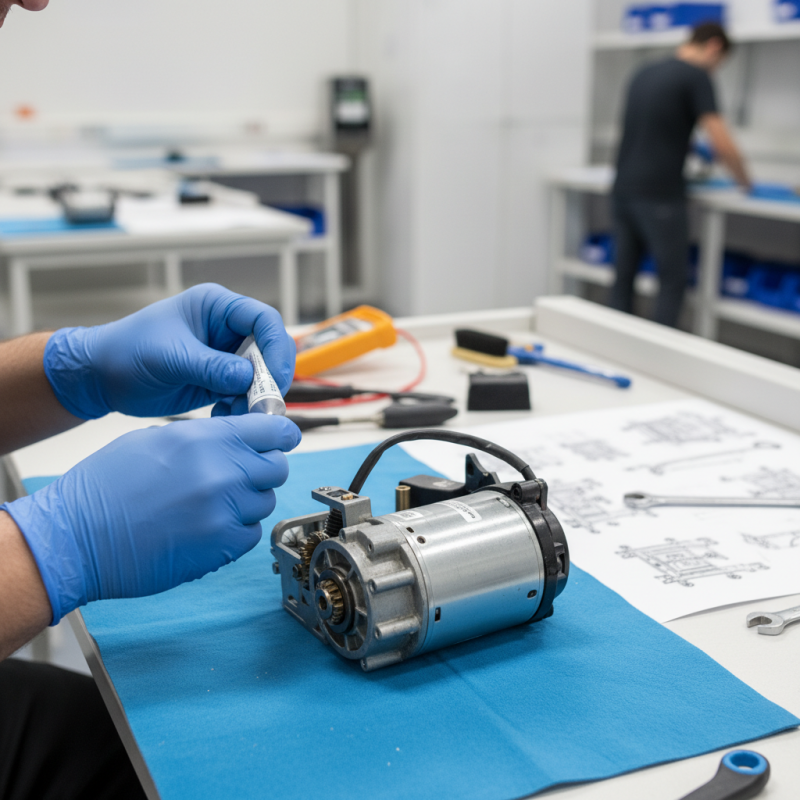
Electric hospital bed motors are integral to patient care. These motors allow for adjustments in bed position, ensuring comfort and support. Understanding their components helps in maintaining them effectively. The main parts include the motor, gearbox, control unit, and power supply. Each part serves a unique function and requires attention.
The motor is the heart of the system. It is essential to check for any unusual noises or vibrations. These can indicate wear or misalignment. Regular cleaning can prevent dust accumulation, which often hampers motor efficiency. The control unit also needs examination. Faulty buttons or a non-responsive interface can disrupt operations. A careful inspection here can save time and reduce frustration.
Maintenance should not be overlooked. Even minor issues can escalate, leading to costly repairs. Many overlook the power supply, assuming it is always functional. However, power surges or interruptions can affect motor performance. Developing a routine inspection schedule fosters reliability. Regular assessment promotes not just longevity but also patient safety.
Electric hospital bed motors are crucial for patient care, offering comfort and accessibility. However, these motors can encounter common issues that may hinder their performance. Understanding and identifying these issues can help maintain their longevity.
One frequent problem is irregular movement. This often results from dirty or worn-out gears. Regular cleaning is essential. Dust and debris can cause friction, leading to motor strain. Lubrication of moving parts can reduce wear over time.
Another issue is electrical failure. Cables can wear out or become loose, causing intermittent power. Inspecting connections regularly is vital. A visual check of wires for any obvious damage can prevent larger problems. Always address these issues promptly to ensure safety and functionality.
Tips for Maintenance:
- Schedule regular inspections for wear and tear.
- Keep the area around the bed clean.
- Document any changes in motor performance.
| Issue | Description | Potential Fix | Maintenance Frequency |
|---|---|---|---|
| Motor Noise | Unusual sounds when operating the motor. | Check for foreign objects and lubricate moving parts. | Monthly |
| Inconsistent Movement | Bed frame does not lift or lower smoothly. | Examine wiring and connections; ensure battery is charged. | Bi-monthly |
| Overheating | Motor becomes excessively hot during operation. | Reduce usage time; allow the motor to cool between uses. | As needed |
| Remote Control Issues | Remote fails to operate the bed | Replace batteries; check for signal obstructions. | Every 6 months |
| Battery Problems | Bed does not operate on battery power. | Inspect and replace batteries if defective. | Annually |
Maintaining electric hospital bed motors is essential for extending their lifespan. Regular inspections are crucial. Look for loose connections or wear on cables. It is advisable to conduct these checks every month. Reports indicate that proper maintenance can increase motor longevity by up to 40%.
Lubrication plays a key role in enhancing performance. Apply a non-corrosive lubricant to moving parts. This reduces friction, helping to avoid overheating. Keep in mind that different motors may have specific lubrication needs. Understand the specifications of your equipment. Over-lubricating can be as damaging as under-lubricating.
Here's a tip: ensure all connections are tight and free of dust. Dust accumulation can lead to overheating and damage. Another important aspect is to educate staff on safe operation. Improper use can lead to frequent repairs. A report from the American Hospital Association emphasizes that well-trained staff can reduce operational failures significantly, improving both safety and efficiency. The process of maintaining electric hospital bed motors requires attention to detail. Regular preventive measures can save on costly repairs and ensure patient safety.
Electric hospital bed motors are essential for patient comfort and mobility. Daily care can greatly extend their lifespan. Regularly check the motors for dust or debris. Clean the surfaces weekly with a dry cloth to prevent buildup. Keeping the motors free from obstructions helps maintain efficient performance.
Monitor the bed’s weight capacity. Overloading can strain the motors and lead to mechanical issues. Be mindful of how often you adjust the bed. Frequent movements may wear out components faster than necessary. Consider gradual adjustments instead of sudden shifts.
Storage of the bed also matters. Ensure the area is dry and free from humidity. Excess moisture can lead to electrical issues. Inspect wires and connections regularly for signs of wear. If you notice fraying or corrosion, it’s crucial to address it immediately. This proactive approach can save time and costly repairs later.
Maintaining electric hospital bed motors is essential for ensuring patient safety and comfort. Regular inspections are critical. These inspections often uncover wear and tear that may go unnoticed. Professionals should assess the electrical connections, motor functionality, and bed adjustments. It’s important to document findings and repairs for future reference.
Tips for effective maintenance include checking for unusual noises. Strange sounds may indicate mechanical issues. Inspect cables and wires for fraying or damage regularly. Ensure that all moving parts are properly lubricated. This simple step can significantly prolong the motor's lifespan.
Professional servicing is not just recommended; it is necessary. Trained technicians can conduct thorough checks using specialized tools. They have the experience to detect potential problems early. Waiting too long for servicing may lead to costly repairs. Relying solely on in-house staff for this task can be risky. They may lack the expertise required for in-depth assessments.
: The main components include the motor, gearbox, control unit, and power supply. Each part has a unique function.
Monthly inspections are advisable. Look for loose connections and cable wear. Regular checks can prevent issues.
Lubrication reduces friction and avoids overheating. Use non-corrosive lubricants as per motor specifications.
Dust accumulation can lead to overheating and reduced efficiency. Clean motors weekly with a dry cloth to prevent buildup.
Unusual noises may indicate wear or misalignment. It's essential to inspect the motor promptly for issues.
Yes, improper use can lead to frequent repairs. Educating staff on safe operations improves safety and reduces failures.
Be mindful not to overload the bed. Straining motors can lead to mechanical issues and unnecessary wear.
Many overlook the power supply. Power surges or interruptions can impact motor performance significantly.
Keep the storage area dry and free from humidity. Excess moisture can cause electrical problems over time.
Over-lubricating can be as damaging as under-lubricating. Understand your equipment's specific lubrication needs carefully.
Maintaining electric hospital bed motors is crucial for ensuring their longevity and efficient performance. In understanding electric hospital bed motors and their components, one can identify common issues such as motor wear, loose connections, and power supply problems. To address these issues, a step-by-step maintenance procedure is essential, which includes regular cleaning, lubrication, and checking for any signs of damage.
Best practices for daily usage and care, such as avoiding sudden weight shifts and ensuring proper usage by staff and patients, can greatly extend the life of these motors. Additionally, periodic inspections and professional servicing are recommended to catch potential problems early and perform necessary repairs. Thus, learning how to maintain electric hospital bed motors can lead to improved functionality and a safer environment for both patients and healthcare providers.

Datoral Medical