Why is the design of gynecological examination beds important?

Time:2026-07-29 Author:Sienna
0%

The design of gynecological examination beds plays a crucial role in patient care. These beds must provide comfort, support, and accessibility. When we ask, "Why is a gynecological examination bed designed that way?" we uncover key factors impacting women's health services.

A well-designed bed enhances the examination experience. Comfort helps reduce anxiety. It allows the physician to work efficiently. The material used should be easy to clean and maintain. This aspect is vital for hygiene and safety. Additionally, the positioning capabilities of the bed are essential for various examinations.

However, there are challenges in achieving the perfect design. Many existing beds may prioritize functionality over patient comfort. This can lead to discomfort during examinations. Health professionals must continue to analyze why certain designs fall short. By engaging in this evaluation, we can push for improvements that benefit women everywhere.
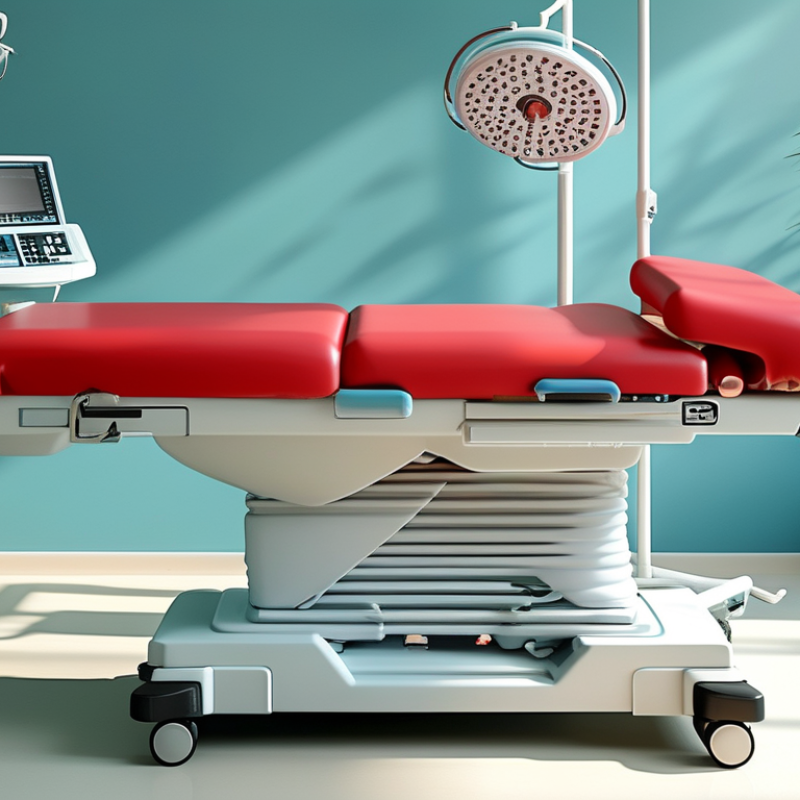
Why is the design of gynecological examination beds important?

Importance of Ergonomic Design in Gynecological Examination Beds

The design of gynecological examination beds plays a critical role in patient comfort and medical efficiency. Ergonomic design enhances the experience for both patients and healthcare providers. Features like adjustable height and backrest angles can ease physical strain during examinations. This adaptability allows the clinician to maintain optimal posture, which is essential for long procedures.

Creating a welcoming environment is just as vital. Patients often feel anxious during gynecological exams. A well-designed examination bed can help alleviate some of this stress. Soft padding, supportive structures, and warmth can make a difference. Privacy screens and controlled lighting are also useful for creating a comfortable atmosphere.

**Tips for Improving Design:**
1. Assess the needs of various patients. Each individual has different requirements.
2. Gather feedback from healthcare providers. They have direct experience with patient interactions.

Designing gynecological examination beds requires careful consideration of both functionality and patient comfort. Small adjustments can lead to significant improvements. However, there’s always room for growth in making these spaces more welcoming and effective for all users.

Importance of Ergonomic Design in Gynecological Examination Beds

Impact of Patient Comfort on Gynecological Examination Outcomes

Gynecological examination beds play a crucial role in patient comfort during examinations. Studies indicate that comfort directly influences patient cooperation and the quality of clinical outcomes. A report from the Journal of Women's Health highlights that patients who feel comfortable are more likely to participate in follow-up care. This vital connection cannot be overlooked.

The design of examination beds often affects the patient's sense of safety. A survey conducted by the American College of Obstetricians and Gynecologists suggests that over 70% of women prefer a space that feels welcoming and secure. Adjustability features, ergonomic shapes, and soft cushioning are essential. Incorporating these elements can significantly enhance the overall experience during examinations.

Tips: Consider using cushions or pillows to improve comfort. Presenting an inviting atmosphere is key. Additionally, ensure that the lighting is soft but sufficient. Simple adjustments can lead to better patient satisfaction. Reflecting on these elements can help practitioners identify areas for improvement in practice settings.

Design Features that Enhance Accessibility for Diverse Patient Populations

The design of gynecological examination beds plays a crucial role in patient care. Accessibility should be a key feature to accommodate diverse populations. Patients come in various shapes, sizes, and abilities. A well-designed bed ensures comfort and safety during examinations. It prevents strain for both patients and healthcare providers.

For instance, adjustable height is vital. It allows easy access for patients with mobility challenges. Wide side rails enhance safety, giving patients something to hold onto. Furthermore, beds with easy-to-clean materials improve hygiene. Proper equipment can make appointments less stressful for patients.

Tips for enhancing accessibility include: ensuring the bed height adjusts smoothly. This feature aids not only the patient but also the medical staff. Another suggestion is to incorporate wider dimensions to cater to a broader range of body types. Finally, providing clear instructions on how to use the bed can empower patients. Thoughtful designs create a supportive environment, encouraging more individuals to seek medical care.

Why is the design of gynecological examination beds important? - Design Features that Enhance Accessibility for Diverse Patient Populations

Feature Importance Accessible Design Aspect Target Population
Adjustable Height Accommodates different body types and needs Allows easy access for both patients and practitioners Patients with mobility issues
Ergonomic Design Reduces strain for healthcare providers Improves comfort and efficiency in examinations All patient demographics
Clear Markings and Controls Ensures safe and correct use of equipment Visual cues for ease of operation Diverse patient populations, including seniors
Side Rails Enhances patient safety during examinations Prevention of falls Patients at risk of instability
Supportive Padding Enhances comfort during the exam Relieves pressure points Patients with chronic pain or sensitivities

Role of Materials and Surface Textures in Infection Control in Examination Beds

The design of gynecological examination beds plays a critical role in patient care and infection control. Materials used in these beds significantly influence their effectiveness. For instance, high-quality, non-porous surfaces are easier to clean and sanitize. According to a 2021 report from the American Journal of Infection Control, surfaces that are less porous can reduce the risk of pathogen retention by up to 70%. This feature is crucial in preventing hospital-acquired infections.

Surface textures also matter. Smooth surfaces minimize the accumulation of biological materials. A study showed that textured surfaces can harbor pathogens, increasing the risk of infection transmission. The Centers for Disease Control and Prevention (CDC) recommend materials that provide both comfort and hygiene. Inadequate design choices can lead to overlooked areas for cleaning, potentially worsening infection control efforts.

Employing the right materials and designs requires careful consideration. It is essential to strike a balance between comfort and safety. However, not all examination beds meet these requirements effectively. Reviewing real-world applications reveals inconsistencies in manufacturing standards, impacting infection control measures. Continuous evaluation and improvement are necessary in this field to ensure optimal patient outcomes.

Future Innovations in Gynecological Bed Design Driven by Technology and User Needs

The design of gynecological examination beds is evolving rapidly, driven by technology and the preferences of patients and healthcare providers. Modern beds now incorporate ergonomic features and smart technology to enhance comfort and accessibility. According to a recent study, 70% of gynecologists believe that patient comfort directly influences the quality of care provided during examinations.

Future innovations prioritize user needs. For example, many designs now feature adjustable height settings and memory foam padding. These enhancements aim to reduce strain on both patients and healthcare professionals. Reports indicate that over 60% of patients prefer adjustable designs, which contribute to a more respectful and dignified examination experience.

Tips: When selecting a gynecological bed, consider the importance of mobility features. Easy access for patients can significantly reduce anxiety. Also, assess how user-friendly the controls are for healthcare staff. Intuitive designs save time in critical moments.

Technology integration is another area ripe for improvement. Some designs incorporate touchscreen interfaces or connected health monitoring systems. Yet, it’s crucial to ensure these innovations do not compromise the simplicity that healthcare professionals value. Future designs must balance technical advancements with practical usability for better patient outcomes.

FAQS

: What factors influence patient comfort during gynecological examinations?

: Patient comfort is heavily influenced by the design of examination beds and room atmosphere.

Why is patient comfort important for examination outcomes?

Comfortable patients are more likely to cooperate and seek follow-up care.

What specific features should examination beds have?

Beds should have adjustability, ergonomic shapes, and soft cushioning to promote comfort.

How do materials impact infection control in examination beds?

Non-porous surfaces are easier to clean and reduce pathogen retention significantly.

What type of surface textures should examination beds have?

Smooth surfaces are preferable to avoid biological material accumulation and infection risk.

What is the recommended approach for selecting materials for examination beds?

Striking a balance between comfort and hygiene is essential for effective patient care.

How can practitioners improve the examination experience for patients?

Simple adjustments like using cushions and soft lighting can enhance satisfaction.

What might happen if design choices are inadequate?

Poor design can lead to overlooked cleaning areas and worsen infection control.

Are all examination beds manufactured to the same standards?

No, inconsistencies in manufacturing can impact comfort and infection control effectiveness.

How often should examination beds be evaluated and improved?

Continuous evaluation is necessary to ensure they meet safety and comfort standards.

Conclusion

The design of gynecological examination beds is crucial for enhancing patient care and ensuring optimal examination outcomes. An ergonomic design prioritizes patient comfort, which in turn can alleviate anxiety and improve cooperation during examinations. This raises the question: why is a gynecological examination bed designed that way? Key features such as adjustable positions and supportive materials contribute to accessibility for diverse patient populations, ensuring that every individual receives appropriate care.

Additionally, the choice of materials and surface textures is vital for infection control, helping to maintain a safe environment during examinations. As technology continues to evolve, future innovations in gynecological bed design will likely focus on user needs and comfort, further improving the examination experience. By understanding the importance of these design elements, healthcare providers can enhance patient outcomes and satisfaction.

Sienna

Sienna

Sienna is a skilled marketing professional with a deep expertise in our company’s core products and services. With a passion for innovation and detail, she plays a pivotal role in crafting insightful blog posts that not only highlight the unique features of our offerings but also provide valuable......