Why Do Hospital Beds Have Side Rails for Patient Safety?

Time:2026-05-07 Author:Charlotte
0%

In the complex landscape of healthcare, patient safety remains paramount. One critical component of hospital bed design is the inclusion of side rails. "Why do hospital beds have side rails" is a question that reflects the ongoing concern about preventing falls and enhancing patient well-being. According to the National Center for Biotechnology Information, nearly 700,000 to 1,000,000 patients fall in hospitals each year, highlighting a pressing need for safety measures.

Dr. Emily Thornton, a prominent expert in hospital safety, states, "Side rails can effectively reduce fall risk, but they must be used appropriately." This highlights the importance of not only having side rails but also understanding their role in safe patient care. While they provide necessary support, there are complexities involved in their usage. Improperly utilized side rails can lead to entrapment or discomfort, presenting a paradox in their intended safety purpose.

Statistics reveal that nearly 50% of patients experience confusion or disorientation while hospitalized, further complicating the conversation around side rails. It raises questions about the balance between protection and autonomy. As healthcare practices evolve, practitioners must continually assess how best to implement safety features like side rails to enhance patient outcomes without compromising dignity.
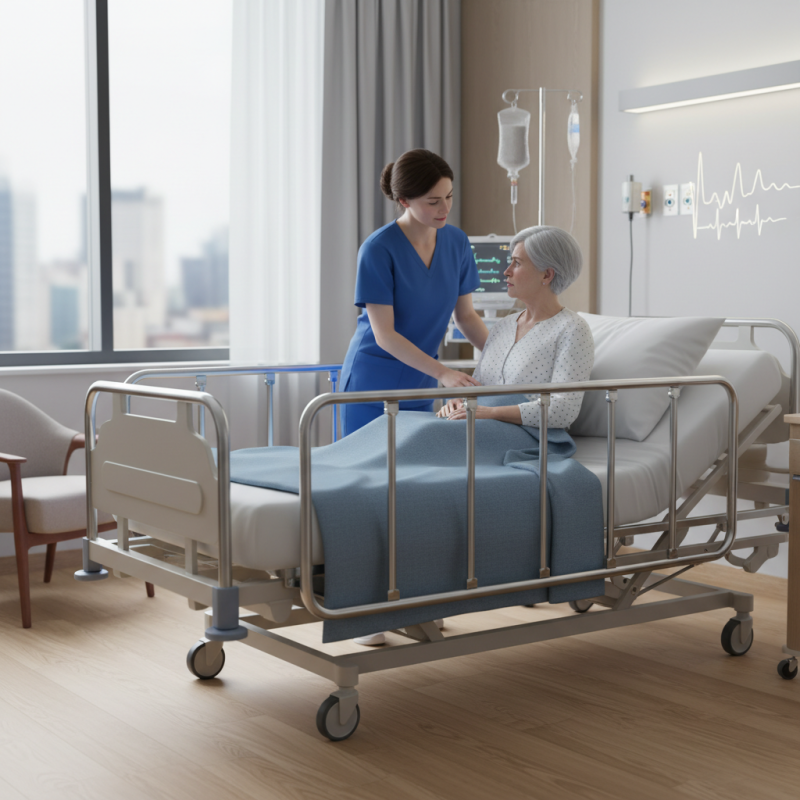
Why Do Hospital Beds Have Side Rails for Patient Safety?

Functions of Hospital Bed Side Rails in Enhancing Patient Safety

Hospital bed side rails play a crucial role in enhancing patient safety. These rails are designed to prevent falls, which are a significant risk in healthcare settings. According to the National Patient Safety Foundation, about 700,000 to 1,000,000 patients fall in hospitals each year. Falls can lead to severe injuries, increasing the hospital stay and healthcare costs. Side rails are a simple yet effective solution to mitigate this risk.

In addition to fall prevention, side rails provide essential support for patients. Patients can use them to reposition themselves safely. This is especially important for those recovering from surgery or dealing with mobility issues. A study published in the Journal of Hospital Medicine highlighted that proper use of side rails reduced the likelihood of self-reported falls by 28%. Patients also feel more secure, which can lead to reduced anxiety during their stay.

However, it's important to acknowledge that side rails are not a one-size-fits-all solution. Improper use or over-reliance on them can lead to entrapment risk. The FDA has noted that entrapment incidents can be fatal, particularly for the elderly. Hospitals must regularly assess each patient’s needs and adjust the use of side rails accordingly. This careful approach ensures that side rails enhance safety without introducing new risks.

Types of Side Rails Commonly Used in Hospital Beds

Hospital beds are equipped with various types of side rails to enhance patient safety. These side rails serve multiple functions. They help prevent falls and provide support for patients when getting in and out of bed. Each type of rail is designed to meet specific needs.

Fixed side rails are the most basic form. They are securely attached and cannot be moved. These rails provide a stable barrier, especially for those who are at high risk of falling. Adjustable side rails offer more flexibility. They can be raised or lowered, allowing patients to have more freedom. This feature is particularly useful for patients who are more mobile.

Another type is the full-length side rail. These extend along the entire length of the bed, offering maximum protection. They can be beneficial for confused or disoriented patients. However, full-length rails may limit accessibility for caregivers. In contrast, half-length side rails allow easier access to the patient but offer less protection. Choosing the right type of side rail requires careful consideration of individual patient needs. A balance between safety and mobility is essential.

Benefits of Side Rails for Fall Prevention in Hospital Settings

In hospital settings, side rails are crucial for patient safety. They act as a barrier, reducing the risk of falls. According to a study by the Agency for Healthcare Research and Quality, fall-related injuries account for approximately 700,000 to 1,000,000 hospitalizations each year. Many of these incidents could be prevented with proper use of side rails.

Side rails also provide patients with a sense of security. When patients feel safe, they are more likely to engage in mobility activities. A report from the National Institute for Health Care Management highlights that fall prevention strategies, including side rails, can decrease overall fall rates by up to 40%. This significant reduction underscores the importance of incorporating side rails into patient care.

Tip: Always assess individual patient needs. Not all patients require side rails. In some cases, they might feel confined or restricted.

Additionally, side rails can be a double-edged sword. Poorly managed side rails might contribute to entrapment. The FDA reports that side rail entrapment incidents can lead to serious injuries. Caregivers should be trained to ensure that side rails are used effectively and safely.

Tip: Regularly check side rails for wear and tear. Maintenance is key to ensuring they function properly.

Regulatory Standards and Guidelines for Hospital Bed Side Rails

Hospital bed side rails play a crucial role in ensuring patient safety. Regulatory standards, such as those from the Food and Drug Administration (FDA) and the American National Standards Institute (ANSI), outline specific requirements for these rails. According to a report by the Agency for Healthcare Research and Quality (AHRQ), over 1,000 patients suffer injuries related to hospital beds each year. The guidelines emphasize that side rails must be designed to prevent accidental falls while ensuring accessibility.

One key requirement is that side rails should be height-adjustable to accommodate different patient needs. They must also be able to withstand significant force, as a patient may attempt to use them for support. Data from the Centers for Disease Control and Prevention (CDC) indicates that proper rail height reduces the risk of falls, particularly in older patients. Nevertheless, there is always room for reflection on the design. Some rails can be overly high, which might pose risks for certain patients.

Tips: Always assess individual patient needs. Consider their mobility and cognitive state. Training staff on the proper use of side rails ensures guidelines are effectively met. Regularly inspect side rails to maintain safety standards and prevent wear.

Considerations for Patient Comfort and Safety with Side Rails

Side rails on hospital beds play a crucial role in enhancing patient safety and comfort. These rails act as a barrier, preventing patients from rolling out of bed. They are especially important for those who are elderly, disoriented, or recovering from surgery. However, the use of side rails is not without controversy. Some patients may feel confined or anxious when they see these barriers.

Tips: Always assess each patient's comfort level. Open communication is key. If a patient expresses discomfort with side rails, explore alternatives like bed positioning or comfort items. Consider the environment. Soft lighting can help ease anxiety.

When using side rails, it’s essential to balance safety and comfort. Regular checks should be made to ensure they are functioning properly. Some patients may attempt to climb over them, which can lead to falls. This raises the question: Are side rails truly effective or do they create a false sense of security? Encouraging mobility is important for recovery, so integrating side rails into an overall care strategy is vital.

Tips: Encourage patients to call for assistance instead of trying to get up independently. Providing simple signals can help maintain independence while ensuring safety. Always prioritize the patient’s dignity in all care decisions.

FAQS

: What is the main purpose of hospital bed side rails?

: Side rails are designed to prevent falls and enhance patient safety.

How do side rails help in fall prevention?

They act as barriers, reducing the risk of patients falling out of bed.

Can side rails provide additional support for patients?

Yes, patients can use side rails to reposition themselves safely when needed.

Are side rails suitable for all patients?

No, not every patient requires side rails; some may feel confined by them.

What risks are associated with improper use of side rails?

Improper use can lead to entrapment risks, which may be serious or fatal.

How can hospitals ensure the safe use of side rails?

Hospitals should assess each patient's needs and regularly check the side rails for maintenance.

What is a key feature of side rails according to regulatory standards?

Side rails should be height-adjustable to meet various patient requirements effectively.

Why is staff training important for side rail use?

Training ensures that guidelines are followed, enhancing patient safety during care.

How often should side rails be inspected?

Regular inspections are essential to prevent wear and ensure safety standards are maintained.

What should caregivers consider when using side rails?

They should consider patients' mobility, cognitive state, and any potential risks involved.

Conclusion

The article "Why Do Hospital Beds Have Side Rails for Patient Safety?" explores the critical role of side rails in enhancing patient safety within healthcare settings. It outlines various functions of side rails, emphasizing their effectiveness in fall prevention, which is a major concern for hospitalized patients. The types of side rails commonly found in hospital beds are discussed, alongside the benefits they provide in creating a safer environment for patients who may be disoriented or at risk of falling out of bed.

Furthermore, the article touches on regulatory standards and guidelines that govern the use of hospital bed side rails, ensuring their implementation meets safety protocols. It also highlights the importance of balancing patient comfort with safety considerations, as side rails should not impede mobility or cause discomfort. Overall, "Why do hospital beds have side rails" is a fundamental question that underscores their importance in promoting patient safety and welfare in hospitals.

Charlotte

Charlotte

Charlotte is a seasoned marketing professional with a deep understanding of the company's portfolio and a passion for elevating its presence in the market. With a keen eye for detail and a commitment to excellence, she ensures that our professional blog is regularly updated with insightful articles......