A gynecological examination bed is more than just a piece of medical equipment. Its design focuses on patient comfort and care. Why is a gynecological examination bed designed that way? This question highlights the importance of empathy in healthcare settings.
Comfort plays a significant role in reducing anxiety during examinations. A well-designed bed allows for easy access and adjustment. This enhances the experience for both patients and healthcare providers. Unique features, such as adjustable height and ergonomic support, improve positioning. They can also help to alleviate physical discomfort.
Furthermore, the design considers diverse patient needs. It embraces inclusivity by accommodating various body types and conditions. However, there is still room for improvement. Some patients may feel exposed or vulnerable regardless of the design. Addressing these concerns is essential in creating a more supportive environment. Continuous feedback from patients is crucial for advancement.
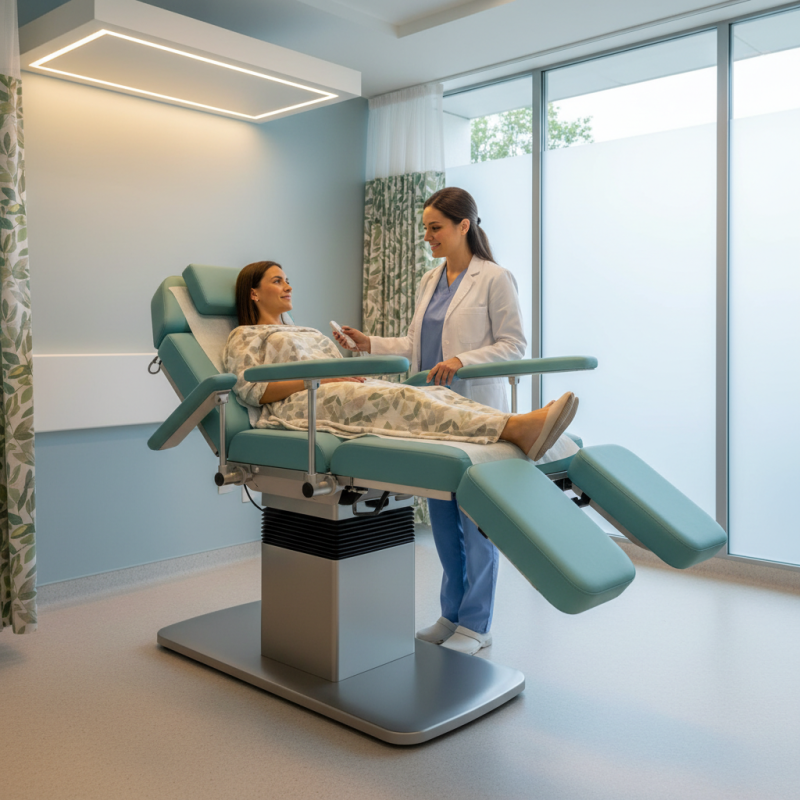
Gynecological examination beds are crucial in enhancing patient comfort during intimate procedures. These beds are designed with several principles in mind. First, they often feature adjustable components. This allows for various positions, catering to individual patient needs. Such adjustments aid in reducing discomfort and anxiety, promoting a more relaxed environment.
Materials play a vital role as well. High-quality, soft padding can significantly impact the patient’s experience. Many beds use materials that are gentle on the skin. Additionally, the surface may have antimicrobial properties, ensuring hygiene. Despite these advancements, the design should also address individual preferences. Some patients might require extra cushioning, while others prefer a firmer support.
Accessibility is an ongoing challenge. Ensuring that the bed is easy to get in and out of matters greatly for patients with mobility issues. However, achieving the perfect height for all patients remains complex. It's a balance between functionality and comfort. Continuous feedback from healthcare professionals and patients helps in refining these designs. The goal is to create a welcoming space that diminishes discomfort and enhances the overall experience.
| Design Feature | Description | Benefit for Patient |
|---|---|---|
| Adjustable Height | Bed height can be adjusted for optimal access. | Improves accessibility and reduces anxiety. |
| Cushioned Surface | Soft, padded surface designed for comfort. | Minimizes discomfort during examinations. |
| Adjustable Backrest | Backrest that can be tilted as needed. | Enhances relaxation and comfort. |
| Warmers | Heated surfaces to soothe patients. | Helps patients feel more at ease. |
| Easy Access Footrest | Footrest designed for easy positioning. | Facilitates proper positioning during exams. |
| Side Support Rolls | Provides support on both sides. | Increases feeling of security. |
: These beds often have adjustable heights and supportive padding to enhance patient comfort and provider posture.
Comfort can reduce anxiety by making patients feel secure, which is vital for their overall experience.
Patients should communicate any discomfort to help providers adjust the experience for better comfort.
By considering patient feedback and their unique needs, providers can create a more comfortable environment.
Increased comfort can improve psychological well-being, leading to better compliance with screenings and medical advice.
Some designs overlook patient needs, creating cold or clinical environments that can increase anxiety.
Regular feedback is crucial, as it helps providers make necessary adjustments to enhance comfort.
Gender, culture, and past experiences can influence how patients perceive and experience comfort during exams.
No, different patients respond uniquely to designs based on their backgrounds and personal experiences.
By assessing room designs and patient interactions critically, providers can make thoughtful improvements.
Gynecological examination beds are meticulously designed to enhance patient comfort through various principles and features. Key design principles focus on creating a supportive and welcoming environment, incorporating high-quality materials that promote a sense of relaxation. Ergonomic features, such as adjustable sections and contoured shapes, play a crucial role in accommodating different body types and ensuring ease during examinations.
Moreover, the psychological impact of comfort cannot be overstated; patients who feel comfortable are likely to experience reduced anxiety and improved overall satisfaction with their care. Why is a gynecological examination bed designed that way? The emphasis on adjustability not only addresses the physical needs of patients but also contributes to a more positive examination experience. Therefore, a thoughtful approach to the design of these beds is essential in providing both physical and emotional support for patients during gynecological assessments.

 Datoral Medical