In the evolving field of medical care, ensuring the safety and stability of portable medical stretchers is paramount. As we look toward 2026, the demand for reliable equipment is increasing. Healthcare professionals need to know how to ensure stability in portable medical stretchers. This knowledge is vital, especially in emergency situations where patient care is critical.
Stability issues may arise from various factors, including design flaws, weight distribution, and terrain challenges. Incorporating durable materials and innovative engineering can enhance stability. Equally important is proper training for personnel who utilize these stretchers. Understanding how to secure patients effectively and manage stretcher operation is crucial to avoid accidents.
Furthermore, regular maintenance and testing are essential to identify potential failures. While it is easy to overlook these factors, a well-maintained stretcher significantly impacts patient safety. As the healthcare landscape evolves, it's essential to focus on improving designs and protocols. Ensuring the stability of portable stretchers requires collaborative effort from manufacturers, providers, and users alike.
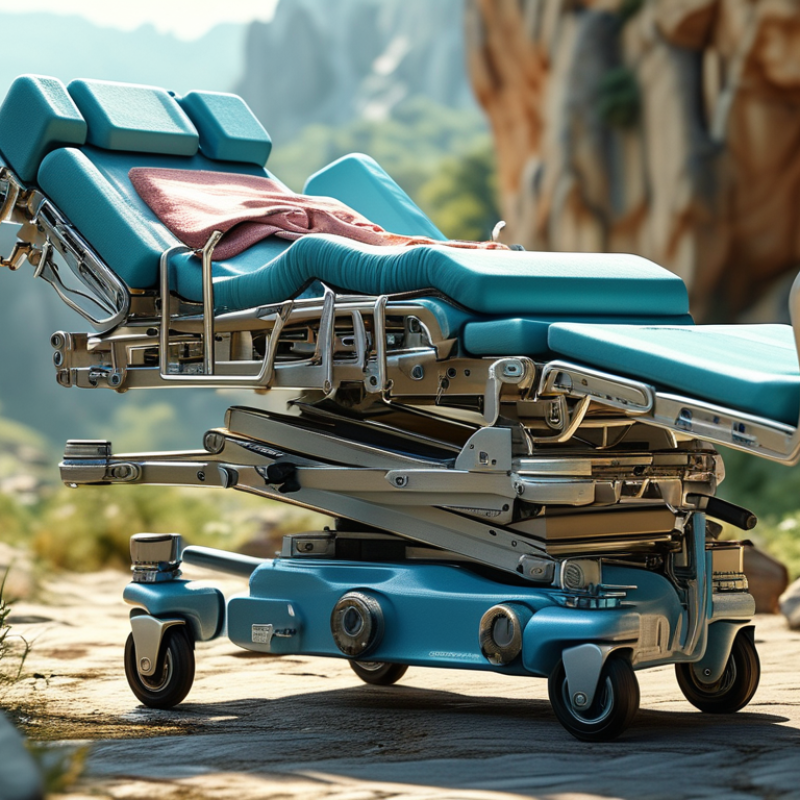
Importance of Stability in Portable Medical Stretchers
The stability of portable medical stretchers is crucial. In emergency situations, every second counts. If a stretcher wobbles or tips, it could cause serious injury to the patient. Medical professionals need to ensure that stretchers are designed for safety and reliability. A stable stretcher can enhance the confidence of caregivers and patients alike.
To achieve this stability, manufacturers must use robust materials. Lightweight does not have to mean flimsy. The engineering behind the stretcher should allow for easy transport without sacrificing strength. Design features like wider bases or adjustable supports can contribute significantly. However, some designs may prioritize aesthetics over functionality, leading to instability.
Training is essential for staff using these devices. Even the most stable stretcher can be compromised by improper handling. Regular drills and assessments can reinforce the importance of stability. Reflection on past incidents can help improve future practices. Every small improvement adds to the overall safety and reliability of portable medical stretchers.
Key Design Features for Enhanced Stability in 2026
In 2026, ensuring stability in portable medical stretchers is crucial for safe patient transport. Key design features can enhance this stability significantly. One notable aspect is the incorporation of a low center of gravity. This design helps minimize tipping hazards, especially on uneven terrain. Engineers can utilize lightweight materials while maintaining structural integrity, allowing for easy maneuverability without compromising safety.
Another vital feature is a robust locking mechanism. This can prevent accidental collapse during transport, ensuring that the stretcher remains securely in place. Additionally, adjustable legs can adapt to various surfaces, providing more stability. However, some designs may overlook the importance of user training on these features. Without proper understanding, even the best designs can fail to perform efficiently.
Furthermore, the use of advanced anti-slip materials on the stretcher's base can significantly reduce movement. Nevertheless, testing is essential to determine the effectiveness of these materials under real conditions. It's imperative to assess the balance between weight and durability too. This ongoing evaluation ensures that portable medical stretchers meet the highest safety standards while remaining practical for everyday use.
How to Ensure Stability in Portable Medical Stretchers for 2026? - Key Design Features for Enhanced Stability in 2026
| Feature |
Description |
Importance for Stability |
Expected Impact Rating (1-10) |
| Wide Base |
A wider base reduces the risk of tipping and enhances balance. |
Critical for maintaining stability in uneven terrains. |
9 |
| Low Center of Gravity |
Designing the stretcher with a lower center of gravity minimizes the chances of it tipping over. |
Essential for quick transport in emergency situations. |
10 |
| Stability Locks |
Locks that secure the stretcher in a stable position during use. |
Provides additional safety for patients and caregivers. |
8 |
| Non-slip Material |
Surface materials designed to prevent slipping during transport. |
Crucial for maintaining grip on varied surfaces. |
7 |
| Adjustable Features |
Ability to adjust height and angles to suit the patient's needs. |
Enhances stability by optimizing patient positioning. |
8 |
Materials and Technologies for Sturdy Stretchers
When designing portable medical stretchers, selecting the right materials is crucial for stability. Lightweight yet sturdy materials such as aluminum alloys and high-strength polymers enable stretchers to support a patient’s weight effectively, yet remain easy to carry. According to a report from the National Institute of Standards and Technology, the right material can reduce stretcher weight by over 30% without compromising durability.
Innovative technologies are also transforming stretcher design. The integration of shock-absorbing mechanisms enhances patient comfort and minimizes the risk of further injury during transport. A study published in the Journal of Emergency Medical Services found that stretchers equipped with advanced suspension systems reduced vibration by up to 40%, improving overall stability.
Tip: Always conduct regular inspections on stretchers. Look for signs of wear or fatigue in materials. Ensure that all mechanisms are functioning properly.
Another consideration is the design of the stretcher. Modular designs allow easy adjustments to accommodate various terrains. This adaptability ensures stability in multiple environments, crucial during emergency medical situations.
Tip: Training staff on proper lifting techniques can also enhance stretcher stability. Ensure everyone knows how to maintain balance while lifting.
In a constant quest for improvement, it’s vital to keep reevaluating materials used. Innovations are ever-evolving, and relying solely on past designs may lead to missed opportunities for enhancing safety and performance.
Testing and Safety Standards for Portable Medical Stretchers
Ensuring stability in portable medical stretchers is crucial for effective patient care. As healthcare demands grow, so do the standards for safety and testing. The International Organization for Standardization (ISO) sets guidelines for medical devices, yet compliance varies across regions. The ISO 13485 standard emphasizes quality management systems, ensuring reliable manufacturing processes.
Recent studies show that approximately 40% of stretcher-related injuries stem from design flaws. These flaws often arise from inadequate testing scenarios. The current standards need regular updates to adapt to innovations in materials and technology. Evaluating the strength and stability of stretchers can help mitigate these risks. Fall incidents remain a major concern, with an estimated 30% of patients suffering injuries during transport.
Proper training on stretcher use is essential. Many healthcare professionals report feeling unprepared to handle malfunctioning equipment. It’s clear that enhancing user training programs could improve safety outcomes. Testing for weight capacity and stability is necessary, yet often overlooked. Feedback from medical personnel highlighted that regular maintenance checks are lacking in many institutions. Addressing these issues can lead to more robust standards and safer patient transportation.
Stability Testing Results for Portable Medical Stretchers (2026)
This bar chart displays the stability scores obtained during testing of portable medical stretchers. Each test evaluates the product's performance based on specific stability criteria to ensure safety standards are met for 2026.
Future Trends in Portable Medical Stretcher Stability Solutions
The landscape of portable medical stretchers is evolving. In 2026, stability will be a vital area of focus. Recent reports indicate that up to 30% of stretcher-related accidents stem from instability during transport. This statistic underscores the need for innovative design solutions.
Future trends highlight the use of advanced materials. Lightweight composites are emerging as key players. These materials offer strength without compromising mobility. A study by the Medical Equipment Research Institute shows that these materials can reduce overall stretcher weight by 25%. However, it is critical to balance weight reduction with stability.
Moreover, integrating smart technology is necessary. Sensors that monitor load distribution can help maintain stability in real-time. Industry analysts predict that by 2026, at least 15% of portable stretchers will feature such technology. However, reliance on technology raises concerns about potential malfunctions. Manufacturers must ensure rigorous testing and quality control. The shift towards stability-focused solutions in portable medical stretchers needs careful planning. It’s crucial to rethink designs while keeping practicality in mind.
Conclusion
Ensuring stability in portable medical stretchers is crucial for providing safe and effective patient transport. This article emphasizes the importance of achieving stability through innovative design features such as reinforced frames, adjustable height mechanisms, and anti-slip surfaces. Advanced materials and technologies, such as lightweight alloys and durable polymers, play a significant role in enhancing the sturdiness and reliability of stretchers in 2026.
Moreover, adherence to rigorous testing and safety standards is essential for maintaining high stability levels. The article also explores emerging trends that advocate for adaptable designs and smart technologies that monitor stretcher stability in real-time. By focusing on these key aspects, stakeholders can better understand how to ensure stability in portable medical stretchers, ultimately leading to improved patient outcomes and safety during transport.

 Datoral Medical