How to Effectively Clean and Disinfect Hospital Furniture?

Time:2026-05-01 Author:Liam
0%

In the healthcare setting, maintaining a clean environment is vital. Effective cleaning and disinfecting of hospital furniture is essential to prevent infection. According to a 2021 report by the World Health Organization, nearly 1 in 10 patients will acquire an infection during hospital stays, largely due to inadequate cleaning practices.

Dr. John Tierney, an expert in infection control, emphasizes, “To prevent healthcare-associated infections, we must prioritize how to clean and disinfect medical hospital furniture.” His insights highlight the urgency of stringent cleaning protocols. The furniture in hospitals harbors numerous pathogens. Daily and thorough disinfection can significantly reduce the risk of bacterial transmission.

However, cleaning hospital furniture is often overlooked. Many staff members may not be aware of proper techniques or the best disinfectants to use. High-touch surfaces, such as bed rails and exam tables, require specific attention and methods. Investing in training for staff could vastly improve hygiene standards. Yet, without regular audits and compliance checks, even the best protocols may falter.
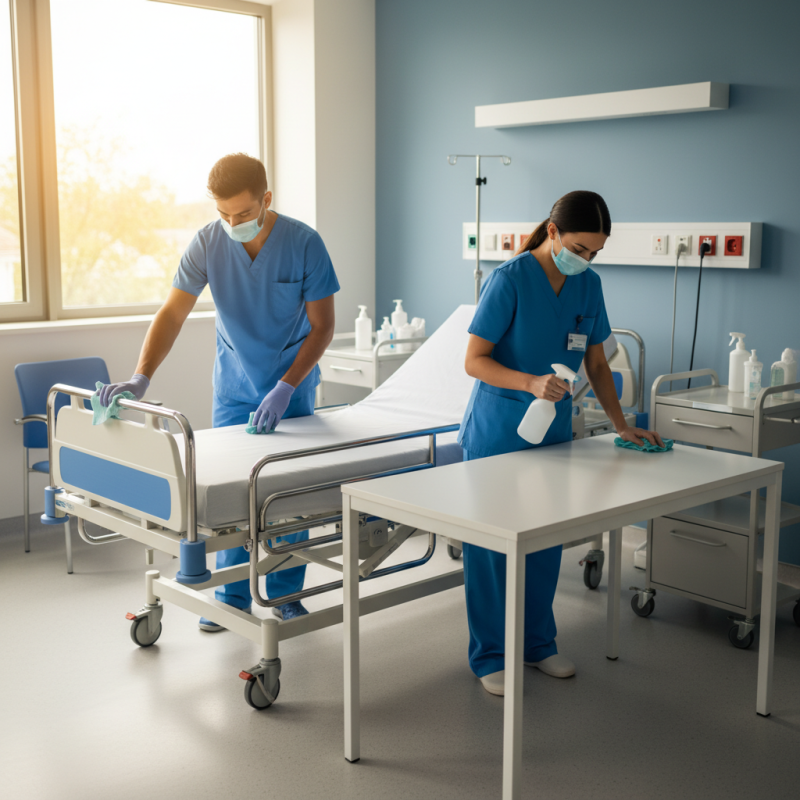
How to Effectively Clean and Disinfect Hospital Furniture?

Types of Hospital Furniture Requiring Regular Cleaning and Disinfection

Hospital furniture must be regularly cleaned and disinfected to maintain a safe environment for patients and staff. Key types include beds, chairs, and surfaces in patient rooms. These items harbor bacteria and viruses, making their cleanliness crucial.

Tips for cleaning beds: Use hospital-approved disinfectants on all surfaces. Pay special attention to handrails and mattress seams. Wipe down bed controls with care. Chairs, often used by visitors or staff, require similar attention. Regularly disinfect armrests and upholstery.

Another important area is surfaces in shared spaces, like waiting areas or nurse stations. Frequent touchpoints, like counters and equipment, require daily cleaning. Ensure that cleaning staff are trained on effective methods. It’s vital to assess which areas often get overlooked and to address these gaps.

Understanding Contaminants and Infections in Hospital Settings

In hospital settings, contaminants can easily spread. Common sources include body fluids, medical equipment, and airborne pathogens. According to the Centers for Disease Control and Prevention (CDC), healthcare-associated infections (HAIs) affect 1 in 31 hospital patients daily. Understanding the types of contaminants present is crucial in mitigating risks.

Tips for cleaning hospital furniture: Use disinfectants that are effective against a wide range of pathogens. Make sure to follow the recommended contact time on cleaning agents for maximum effectiveness. Pay attention to high-touch surfaces, which can harbor more bacteria and viruses. Regular training for staff on cleaning protocols is essential.

Despite best efforts, cleaning may be inconsistent. Staff may overlook some areas or use ineffective techniques. This can lead to lingering contaminants. Robust monitoring systems are essential to ensure that cleaning protocols are followed diligently. Regular audits can help identify gaps in cleaning practices, providing opportunities for improvement.

Recommended Cleaning and Disinfection Techniques for Hospital Furniture

Cleaning and disinfecting hospital furniture is a critical task. Effective techniques ensure patient safety and reduce infection risks. According to the Centers for Disease Control and Prevention (CDC), healthcare-associated infections affect one in every 31 hospital patients. This statistic underscores the need for rigorous cleaning protocols.

One recommended technique is to use EPA-approved disinfectants. These products are effective against a broad range of pathogens. For surfaces, a two-step process often yields the best results. The first step involves cleaning with soap and water to remove dirt and debris. Then, apply the disinfectant and allow it to sit for the required contact time. This is crucial. Many people overlook the importance of letting the disinfectant dry completely.

Regular training for staff is another vital aspect. Proper training ensures that everyone understands the importance of following protocols. Studies show that inconsistencies in cleaning practices can lead to outbreaks. Continuous evaluation of cleaning practices is essential. Facilities should assess their effectiveness routinely. This reflection can highlight areas needing improvement, ensuring a proactive approach to cleanliness.

Proper Use of Personal Protective Equipment (PPE) During Cleaning

Cleaning and disinfecting hospital furniture require meticulous attention to safety. One essential aspect is the proper use of Personal Protective Equipment (PPE). It guards health workers from exposure to harmful pathogens. Standard PPE includes gloves, masks, and gowns. However, the effectiveness of PPE depends on correct usage.

Before starting, ensure that gloves fit snugly but are not too tight. Masks should cover the nose and mouth completely. Gowns must overlap with gloves to prevent skin exposure. It’s crucial to change PPE regularly, especially if damaged or heavily soiled. Remember that reusing disposable items is not recommended.

Training is vital for staff. They should understand why PPE matters. Frequent reminders can help sustain high compliance levels. Sometimes, staff might skip PPE during high-pressure situations. This is risky and can lead to increased infection rates. Reflecting on these practices is essential for continuous improvement in safety protocols.

Effectiveness of Cleaning Methods for Hospital Furniture

Establishing a Routine Cleaning Schedule for Hospital Furniture

A routine cleaning schedule for hospital furniture is essential. Establishing this schedule can be challenging. Health facilities must ensure that every piece of furniture is cleaned regularly to maintain a safe environment.

Typically, daily cleaning should include surfaces such as chairs, tables, and bed frames. Use an EPA-approved disinfectant to wipe down these areas. Pay attention to high-touch points. Users may find that certain areas become less clean over time. Regular monitoring is essential. It’s crucial to revise your cleaning frequency if you notice dirt accumulating more quickly than expected.

Staff training is vital. Educating team members on proper techniques helps maintain consistency. A simple checklist can improve adherence to the schedule. Yet, it’s easy to overlook furniture in less trafficked areas. Periodic inspections can help catch this oversight. Make adjustments to the cleaning routine as needed. This proactive approach enhances patient safety and promotes a cleaner hospital environment.

FAQS

: Why is regular cleaning of hospital furniture important?

: Regular cleaning prevents the spread of bacteria and viruses, ensuring patient and staff safety.

What types of hospital furniture need regular disinfection?

Key items include beds, chairs, and surfaces in patient rooms and shared spaces.

What are recommended cleaning techniques for hospital beds?

Use approved disinfectants on all surfaces. Focus on handrails and mattress seams for thorough cleaning.

How often should shared surfaces be cleaned in hospitals?

Shared surfaces, like counters and equipment, require daily cleaning due to high foot traffic.

Why is staff training important in cleaning practices?

Proper training helps staff follow protocols consistently, reducing the risk of infections effectively.

What should be monitored to ensure effective cleaning?

Regular audits can identify gaps in practices, ensuring adherence to cleaning protocols and improvement.

How can disinfectants be applied effectively?

Clean surfaces with soap and water, then use disinfectant, allowing it to sit for the recommended time.

What common contaminants are found in hospital settings?

Body fluids, medical equipment, and airborne pathogens are typical sources of contaminants.

What may happen if cleaning practices are inconsistent?

Inconsistent cleaning can leave lingering contaminants, potentially causing healthcare-associated infections.

Are there specific cleaning agents that should be used?

Use EPA-approved disinfectants known for being effective against a wide range of pathogens.

Conclusion

Proper cleaning and disinfection of hospital furniture is crucial in preventing the spread of infections within healthcare settings. To effectively understand how to clean and disinfect medical hospital furniture, it is important to identify the types of furniture that require regular attention, including beds, chairs, and examination tables. Recognizing common contaminants and the risks they pose is essential for maintaining a safe environment.

Employing recommended cleaning and disinfection techniques, such as using appropriate cleaning agents and ensuring thorough coverage, can greatly reduce infection transmission. Additionally, the proper use of Personal Protective Equipment (PPE) during cleaning processes is vital for safeguarding the health of cleaning personnel. Establishing a routine cleaning schedule helps ensure that hospital furniture remains consistently sanitized, thereby contributing to patient safety and quality care in healthcare facilities.

Liam

Liam

Liam is a dedicated marketing professional with a profound expertise in the industry, where he excels at highlighting the unique advantages of our core products. With a keen understanding of market trends and consumer needs, Liam frequently updates our company’s professional blog, providing......