How to Effectively Clean and Disinfect Hospital Furniture?

Time:2026-08-03 Author:Sophia
0%

Cleaning and disinfecting medical hospital furniture is crucial for patient safety. In healthcare settings, surfaces harbor germs that can lead to infections. According to Dr. Lisa Tran, an expert in hospital hygiene, “Effective cleaning protocols are essential in preventing hospital-acquired infections.”

Modern hospitals must maintain high standards. Furniture such as beds, chairs, and tables needs consistent care. Cleaning is not just about appearance; it is about creating a safe environment. Each piece requires a specific method to ensure proper disinfection. Yet, many facilities still struggle with implementing these routines effectively.

Challenges exist. Staff training often falls short, impacting compliance with cleaning standards. Moreover, there’s a tendency to overlook less visible areas. This can create hotspots for germs. Regular audits can help identify these gaps. By focusing on how to clean and disinfect medical hospital furniture, hospitals can significantly reduce infection rates. It is time to refine our approaches and ensure no area is neglected in our cleaning efforts.
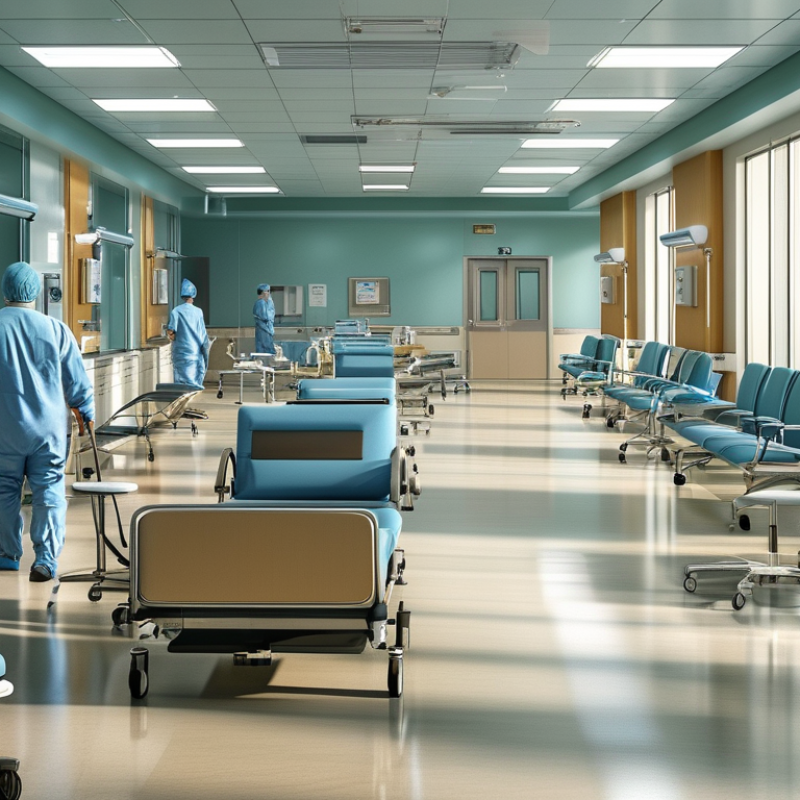
How to Effectively Clean and Disinfect Hospital Furniture?

Best Practices for Cleaning Hospital Furniture to Prevent Infections

Hospital furniture plays a crucial role in infection control. Proper cleaning and disinfecting practices are vital. An alarming statistic shows that up to 70% of healthcare-associated infections can be traced back to contaminated surfaces. Regular, thorough cleaning is essential.

Use an appropriate disinfectant that is effective against a wide range of pathogens. The Centers for Disease Control and Prevention (CDC) recommends using EPA-registered products for hospital settings. Pay particular attention to high-touch areas on furniture, such as armrests, bed rails, and light switches. These areas can harbor harmful bacteria and viruses.

Routine cleaning schedules should be established. Staff often overlook furniture during daily cleaning. This oversight can lead to illness outbreaks. Training staff on proper techniques can improve compliance. Moreover, audits of cleaning routines can identify gaps and areas for improvement. Implementing these practices may not be perfect, but constant refinement can enhance patient safety significantly.

Essential Disinfection Protocols: Chemicals and Methods for Hospital Settings

Disinfecting hospital furniture is crucial for patient safety. A thorough understanding of chemicals used in disinfection is vital. Sodium hypochlorite, hydrogen peroxide, and quaternary ammonium compounds are common choices. Each has specific advantages depending on the surface and type of contamination.


Tips for effective disinfection include regular cleaning routines. Clean surfaces before applying disinfectants. This ensures better penetration of the chemicals into soils and biofilms. Always follow the manufacturer’s guidelines for the correct dilution and contact time necessary for effective disinfection.


Involve staff in training sessions to instill proper cleaning techniques. Empowering staff can improve adherence to protocols. Regular audits of cleaning processes help identify areas for improvement. Remember, even routine tasks may overlook critical spots. This reflection can enhance overall disinfection efforts and contribute to a safer hospital environment.

Frequency and Timing: How Often to Clean and Disinfect Hospital Furniture

Cleaning and disinfecting hospital furniture is crucial for patient safety. The frequency of cleaning depends on the type of furniture and its usage. For frequently used items, like examination tables and waiting area chairs, cleaning should occur multiple times a day. High-touch surfaces, such as armrests and bedrails, require immediate cleaning between patient uses.

Timed cleaning schedules can ensure all areas receive proper attention. Daily cleaning is often adequate for less-trafficked items, like storage cabinets. However, rooms that have seen a discharge or transfer should undergo thorough disinfection before the next admission. Staff often overlook this, leading to potential contamination. It’s essential to instill a culture of vigilance regarding furniture cleanliness. Inconsistent practices may expose patients to infections.

Training staff on effective disinfection techniques is vital. Use clear protocols to guide cleaning procedures. With ongoing education, staff can retain focus on high-priority areas. Reflection on past practices can uncover gaps in protocols. By regularly reassessing cleaning schedules, hospitals can enhance their overall hygiene standards.

How to Effectively Clean and Disinfect Hospital Furniture? - Frequency and Timing

Type of Hospital Furniture Cleaning Method Disinfection Frequency Best Time to Clean
Patient Beds Use of EPA-approved disinfectants Every shift change and after each patient discharge Before new patient admission
Waiting Room Chairs Wipe down with disinfectant wipes Twice a day Morning and afternoon
Exam Tables Spray and wipe cleaning After each use After each patient examination
Nurse Stations Disinfect high-touch areas Hourly Throughout the day
Wheelchairs Deep cleaning and disinfecting Weekly and after any patient use End of the week

Training Staff: Importance of Proper Techniques in Hospital Furniture Care

Training staff in the proper techniques for hospital furniture care is vital. The furniture needs to be cleaned effectively to prevent healthcare-associated infections. Every member of the team should understand the significance of using the right cleaning agents. Staff must also know how to handle different materials, such as wood or vinyl. This knowledge helps to maintain the integrity of the furniture while ensuring thorough disinfection.

Regular training sessions should occur. Staff can watch experienced trainers demonstrate techniques. Engaging with hands-on practice fosters retention of skills. Discussions about common mistakes can highlight areas needing improvement. Learning should be ongoing, as standards and protocols can change over time. Nurses and housekeeping staff should work closely together, developing a consistent approach to cleaning.

Feedback plays an essential role in enhancing these practices. Staff should feel comfortable discussing challenges they encounter. This openness can lead to discovering better methods for furniture care. Recognizing that mistakes happen is part of the learning process. Ultimately, a well-trained staff enhances the overall safety and comfort within the hospital environment.

Evaluating Efficacy: Key Metrics for Assessing Cleaning and Disinfection Methods

In healthcare settings, evaluating the efficacy of cleaning and disinfection methods is vital. A key metric often used is the reduction of microbial load. Studies show that surfaces must achieve a 99.9% reduction in pathogens to minimize infection risks. Effective cleaning is not just about visible dirt removal, but it involves understanding how microorganisms behave on surfaces.

Regular monitoring using ATP (adenosine triphosphate) bioluminescence can provide immediate feedback on cleanliness. Hospitals that implement ATP testing report finding higher levels of contamination than anticipated. This revelation points to a need for improved training and adherence to protocols. Moreover, some methods may not deliver expected results, indicating gaps in staff compliance or product efficacy.

Environmental services face challenges in maintaining standards. Research indicates only 50% of healthcare environments meet established cleanliness benchmarks. This statistic highlights the necessity for continuous evaluation and enhancement. Armed with the right metrics, facilities can better understand their cleaning practices and drive improvement initiatives, ensuring a safe environment for patients and staff alike.

Effectiveness of Different Cleaning and Disinfection Methods for Hospital Furniture

FAQS

: Why is disinfecting hospital furniture important?

: It is crucial for patient safety and prevents healthcare-associated infections.

What chemicals are commonly used for disinfection?

Sodium hypochlorite, hydrogen peroxide, and quaternary ammonium compounds are frequently used.

How can disinfection effectiveness be improved?

Clean surfaces first to allow better chemical penetration. Follow manufacturer guidelines for dilution and contact time.

Why is staff training essential in hospital cleaning?

Proper techniques prevent infections and maintain furniture integrity. Everyone should understand cleaning agents' significance.

What role does hands-on practice play in staff training?

It helps retain skills and fosters confidence in techniques. Watching demonstrations is effective for learning.

How can feedback improve cleaning practices?

Open discussions allow staff to address challenges, fostering better methods and continuous improvement.

What is the key metric for assessing disinfection efficacy?

A 99.9% reduction in pathogens is necessary to minimize infection risks.

How do ATP tests contribute to monitoring cleanliness?

They provide immediate feedback on contamination levels, revealing gaps in cleaning practices.

What challenges do hospitals face in maintaining cleanliness?

Many environments don't meet cleanliness benchmarks, indicating a need for ongoing evaluation and training.

What is the importance of ongoing learning for staff?

Standards and protocols change, and continuous education ensures adherence to updated practices.

Conclusion

Cleaning and disinfecting hospital furniture is crucial for preventing infections and ensuring patient safety. To effectively clean and disinfect medical hospital furniture, best practices should be observed, including using appropriate cleaning agents and following established disinfection protocols tailored for hospital settings. Essential chemicals and methods must be employed that are proven to eliminate pathogens while being safe for the furniture material.

Furthermore, establishing a regular frequency and timing for cleaning is vital, as it helps maintain a hygienic environment. Training staff on proper techniques for furniture care ensures that these practices are consistently followed. Lastly, it’s important to evaluate the efficacy of cleaning and disinfection methods by monitoring key metrics that assess their effectiveness, ultimately leading to enhanced infection control in healthcare facilities.

Sophia

Sophia

Sophia is a dedicated marketing professional with an exceptional depth of knowledge about her company's products and services. With a keen understanding of market trends and customer needs, she crafts insightful blog posts that not only inform but also engage readers, enriching the company’s online......