Difference Between ICU Bed and Ward Bed for Global Buyers?

Time:2026-05-11 Author:Henry
0%

When considering hospital infrastructure, a common question arises: "What is the difference between an ICU bed and a ward bed?" Dr. Sarah Thompson, a renowned expert in critical care, states, "The design and functionality of these beds are pivotal for patient outcomes."

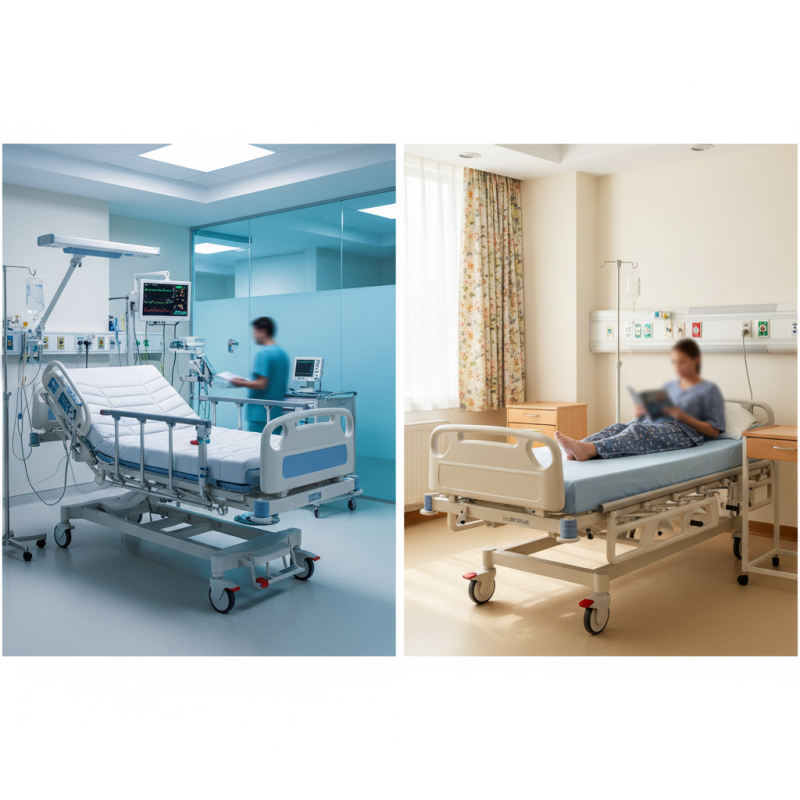
ICU beds are specially designed for critical care. They offer advanced features such as monitoring equipment and mobility options. In contrast, ward beds serve general patient needs. While they are comfortable, they lack intricate support systems. This distinction is crucial for healthcare providers and global buyers.

Patients in ICUs need constant observation. Their beds ensure a safe environment for interventions. Ward beds provide a more relaxed setting but are not equipped for intensive care. Understanding these differences can impact hospital efficiency and patient recovery. This knowledge is essential for decision-makers in the healthcare sector.
Difference Between ICU Bed and Ward Bed for Global Buyers?

Understanding ICU Beds vs. Ward Beds: Key Differences

ICU beds and ward beds serve distinct purposes in healthcare settings. An ICU bed is equipped with advanced technology for patients requiring close monitoring. These patients often suffer from severe illnesses or conditions that need constant observation. ICU beds come with features like adjustable positions, built-in monitors, and advanced life-support systems. They provide a controlled environment, essential for critical care.


In contrast, ward beds are designed for less critical patients. They offer basic comfort for those recovering from surgeries or mild illnesses. Ward beds are simpler, often without the high-tech facilities found in ICUs. They focus on providing a restful environment rather than constant surveillance. Typically, a ward accommodates multiple beds in a single room, promoting interaction among patients, which has its benefits and drawbacks.

The differences reflect the level of care required. While ICU beds prioritize life-saving equipment, ward beds focus on recovery and comfort. It's crucial to evaluate these distinctions. They may seem obvious, but misunderstanding them could impact patient care. The choice between an ICU bed and a ward bed should always align with the patient's needs and condition. In the world of healthcare, even small details can have significant consequences.

Defining ICU Beds: Features and Functions

Intensive Care Unit (ICU) beds are designed for critically ill patients. These beds offer advanced features and functions to monitor patients closely. ICU beds typically include integrated monitoring systems. These allow healthcare professionals to track vital signs in real time. The ability to adjust the height and position enhances patient comfort and care.

In contrast, ward beds serve a different purpose. They provide basic comfort for patients recovering from less severe conditions. Ward beds generally do not have the same monitoring capabilities as ICU beds. This can lead to delays in crucial care for seriously ill patients. Although ward beds may be more comfortable for recovery, they lack intensive monitoring features.

The differences extend beyond just functionality; they highlight the need for specialized equipment in critical care settings. It's essential for global buyers to recognize these distinctions. Understanding these features can lead to better patient outcomes. Investing in the right bed type can impact the quality of care provided.

Exploring Ward Beds: Characteristics and Usage

Ward beds are crucial in healthcare settings. They differ significantly from ICU beds, primarily in their functionality and design. Ward beds are designed for stable patients requiring less intensive monitoring. They typically provide basic comfort features, such as adjustable headrests and side rails.

According to a recent report by the World Health Organization (WHO), approximately 70% of hospital patients can be accommodated in ward beds. This statistic highlights their vital role in patient management. Ward beds are often deployed in general wards, maternity units, and rehabilitation centers. They are essential for managing patients post-surgery or those with chronic conditions.

Tips: When selecting ward beds, consider the material and adjustability. These factors impact patient comfort and recovery. Investing in high-quality ward beds can enhance patient satisfaction and care outcomes. Remember, not all beds fit every need. Evaluate the specific requirements of your facility before making a purchase.

Difference Between ICU Bed and Ward Bed for Global Buyers

Characteristic ICU Bed Ward Bed
Purpose Used for critically ill patients requiring close monitoring Used for general patients requiring basic care
Monitoring Equipment Equipped with advanced monitoring systems Minimal equipment, typically standard furnishings
Mobility Adjustable height, tilting functions for patient care Basic adjustable functionality
Space Requirements Requires more space due to equipment and staff Less space needed, usually arranged in multiple beds
Staff-to-Patient Ratio Higher ratio, often 1:1 or 1:2 Lower ratio, commonly 1:4 or more
Cost Significantly higher due to advanced technology Generally lower investment
Use Case Post-surgery recovery, severe health conditions Stable patients recovering from minor illnesses or surgeries

Patient Care: Level of Monitoring in ICU and Ward Beds

In the world of healthcare, understanding the difference between ICU beds and ward beds is crucial. ICU beds are equipped for intensive monitoring. They support critically ill patients who need constant supervision. These beds often include advanced technology like heart monitors and ventilators. A nurse is usually assigned to fewer patients in the ICU, ensuring specialized attention.

Ward beds, on the other hand, provide basic care. They are designed for patients who require less intensive treatment. In a ward, a nurse handles a larger group of patients. Monitoring is regular but not as frequent as in the ICU. Patients receive care for various ailments, but the level of support varies greatly.

Both settings have their challenges. ICU patients often feel isolated due to constant monitoring. Meanwhile, ward patients may feel neglected when attention is split among many. The balance between care and oversight requires continuous evaluation. Ultimately, understanding these differences helps in making informed decisions about patient care needs.

Cost Implications: ICU Beds vs. Ward Beds for Health Facilities

When comparing ICU beds and ward beds, cost implications are significant. ICU beds are much more expensive. They are designed for critical care, with advanced technology and features. These include monitoring systems and life-support equipment. The cost of ICU beds often includes important maintenance and servicing. Hospitals must consider these factors when investing in critical care infrastructure.

On the other hand, ward beds serve a different purpose. They provide basic care for patients with less severe conditions. The investment in ward beds is typically lower, and their maintenance is less complex. However, hospitals may face challenges. Overcrowded wards can lead to decreased patient satisfaction. Compromised care can occur when beds are in high demand.

Health facilities must analyze their budget while considering patient needs. Balance is key. Encouraging patient flow and optimizing care should guide these decisions. Cost alone should not dictate the choice between ICU and ward beds. Reflecting on the outcomes and experiences of patients remains essential for informed hiring decisions.

Cost Comparison: ICU Beds vs. Ward Beds

FAQS

: What is the purpose of an ICU bed?

: An ICU bed is designed for critically ill patients needing close monitoring.

How do ICU beds differ from ward beds?

ICU beds have advanced technology for monitoring, while ward beds offer basic comfort for less severe conditions.

What features do ICU beds have?

ICU beds include adjustable positions and integrated monitoring systems for tracking vital signs in real time.

Who monitors patients in the ICU?

Nurses in the ICU usually care for fewer patients, ensuring specialized attention and constant supervision.

What type of patients use ward beds?

Ward beds are for patients recovering from surgeries or mild illnesses requiring less intensive care.

Are ward beds monitored constantly?

No, monitoring on ward beds is regular but not as frequent as in the ICU setting.

What are some drawbacks of ICU care?

ICU patients may feel isolated due to the constant monitoring and limited interaction with others.

Can ward beds impact recovery?

Ward beds focus on comfort, but lack of intensive monitoring can delay crucial care for serious conditions.

Why is understanding bed types important?

Misunderstanding bed types can impact patient care and lead to insufficient treatment in critical situations.

Do both ICU and ward beds have their challenges?

Yes, each has challenges with patient interaction and care distribution that need continuous evaluation.

Conclusion

The article titled "Difference Between ICU Bed and Ward Bed for Global Buyers?" delves into the key distinctions between ICU beds and ward beds, emphasizing their specific features and functions. What is the difference between an ICU bed and a ward bed? ICU beds are designed for patients requiring critical care with advanced monitoring capabilities, often incorporating specialized equipment to support intensive medical interventions. In contrast, ward beds serve patients with less severe conditions and focus on comfort and basic medical needs, providing a more general level of care.

Additionally, the article explores the implications for patient care, highlighting the augmented level of monitoring in ICU beds compared to ward beds, which is essential for managing critically ill patients. Cost considerations are also addressed, as health facilities must weigh the financial demands of equipping ICUs versus wards, impacting resource allocation and overall care strategies. This analysis aids global buyers in making informed decisions regarding bed procurement based on patient care requirements and budget constraints.

Henry

Henry

Henry is a dedicated marketing professional with a profound expertise in the company's offerings. With years of experience in the industry, he possesses an impressive understanding of the market dynamics and consumer behaviors that drive success. Henry is committed to sharing his insights through......