How to Choose the Best Materials for Medical Examination Couches?

Time:2026-06-01 Author:Mason
0%

Choosing the right materials for medical examination couches is crucial for both patient comfort and durability. Dr. Sarah Thompson, a leading expert in medical furniture design, once stated, “The choice of materials can greatly impact both functionality and hygiene.” So, what materials are best for medical examination couches?

When considering the right materials, factors such as ease of cleaning, resistance to wear, and patient comfort come into play. Vinyl is a common choice due to its durable nature and easy maintenance. However, some might argue that certain textured fabrics could enhance patient comfort. It’s worth reflecting on your specific practice needs.

Ultimately, selecting the best materials for medical examination couches is not a straightforward task. Preferences can vary widely based on the type of practice. Balancing durability, aesthetics, and practicality requires careful thought. This question—what materials are best for medical examination couches—demands ongoing dialogue among professionals to foster innovation.
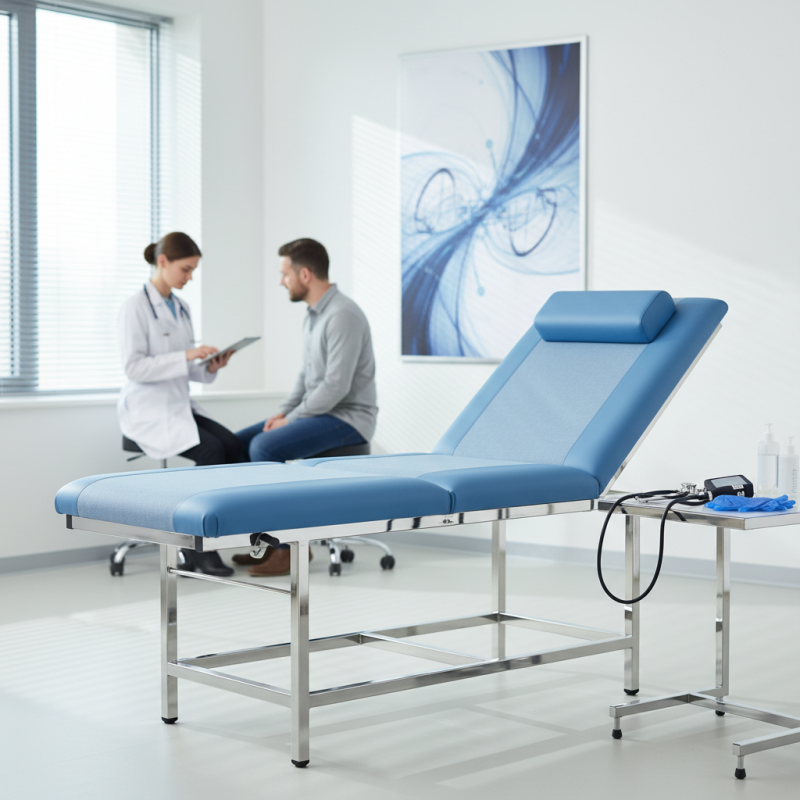
How to Choose the Best Materials for Medical Examination Couches?

Identifying Key Factors in Material Selection for Medical Couches

When selecting materials for medical examination couches, several factors play a crucial role. Durability is paramount. Studies indicate that medical textiles should withstand frequent cleaning and disinfecting to maintain hygiene. According to industry reports, materials like vinyl and polyurethane are often recommended due to their resistance to chemicals and easy-to-clean surfaces. A focus on antimicrobial properties is also vital, as these can significantly reduce hospital-acquired infections.

Comfort cannot be overlooked. Patients need to feel at ease during examinations. Soft, supportive padding enhances patient experience and encourages cooperation. Materials such as high-density foam provide both comfort and longevity. However, cost considerations can complicate the choice. High-quality materials often mean a higher initial investment. Proper evaluation of long-term benefits is crucial to make educated decisions.

Environmental impact is another essential factor. The healthcare industry is shifting towards sustainability. Materials sourced from renewable resources are gaining attention. Several reports suggest that adopting eco-friendly materials not only benefits the planet but also enhances the facility's reputation. While these factors present a comprehensive approach to material selection, ongoing research and user feedback continue to evolve best practices. It remains essential to regularly assess the performance and appropriateness of materials in real-world applications.

Understanding the Importance of Durability and Maintenance in Couch Materials

Choosing the right materials for medical examination couches requires careful consideration of durability and maintenance. According to a study by the American Institute of Architects, healthcare environments must prioritize patient safety and comfort, which involves selecting materials that withstand frequent use and cleaning. Couches made from high-quality vinyl not only offer ease of cleaning but also resist wear and tear from daily activities.

The maintenance of examination couches directly impacts healthcare costs. A report from the Journal of Healthcare Management reveals that maintaining durable materials can reduce replacement frequency by up to 30%. This is significant, considering the rising costs of medical equipment. Regular maintenance routines, such as cleaning surfaces with approved disinfectants, ensure longevity. Moreover, using materials that resist stains and odors can enhance the overall patient experience.

However, there is no one-size-fits-all solution. Facilities face challenges in balancing durable materials with comfort. Soft-touch surfaces may wear more quickly but can provide better patient relaxation. It’s essential to engage healthcare professionals in the decision-making process. Their insights can highlight practical performance issues that standard reports often overlook. Adjusting to these needs requires continual feedback and adaptation.

How to Choose the Best Materials for Medical Examination Couches? - Understanding the Importance of Durability and Maintenance in Couch Materials

Material Type Durability (Years) Maintenance Level Comfort Level Cost Estimate (Per Couch)
Vinyl 5-7 Low Medium $500 - $700
Fabric 3-5 Medium High $400 - $600
Leather 10-15 High Very High $1000 - $1500
Synthetic 6-8 Low Medium $600 - $800
Foam 4-6 Medium High $300 - $500

Evaluating Comfort and Patient Safety in Medical Couch Materials

Choosing the right materials for medical examination couches significantly impacts patient comfort and safety. Research indicates that over 70% of patients prioritize comfort when undergoing examinations. The texture of the couch material plays a vital role in this. Soft, non-abrasive fabrics provide a pleasant experience. However, ensuring these materials are also easily sanitized is crucial. Inadequate hygiene can lead to infections, which is a risk that should never be overlooked.

Safety is another key factor. Reports show that non-slip surfaces can reduce patient falls during examinations. This is particularly important for elderly or mobility-impaired individuals. Materials that can withstand regular disinfection without degrading are essential. Unfortunately, some available options may look good but sacrifice durability. Spotting these discrepancies requires careful evaluation.

Moreover, environmental considerations are becoming increasingly significant. Materials should not only be safe but also eco-friendly. The increasing demand for sustainable choices reflects a shift in industry standards. It's essential to question whether the chosen material meets these evolving criteria. Balancing comfort, safety, and environmental responsibility presents ongoing challenges for healthcare providers. Recognizing these factors can guide better decisions in medical furniture procurement.

Exploring Hygiene Standards and Cleanability of Examination Couch Materials

When selecting materials for medical examination couches, hygiene is paramount. The right fabric can significantly impact cleanliness. According to a report by the Centers for Disease Control and Prevention (CDC), maintaining low levels of microbes on surfaces is critical in healthcare settings. Materials should resist moisture and be easily cleaned to prevent cross-contamination.

Vinyl is commonly chosen for examination couches due to its non-porous nature. This quality allows for effective disinfecting. Studies show that vinyl surfaces can be cleaned with various disinfectants, reducing infection rates. Tip: Regularly test cleaning solutions on materials to ensure compatibility and effectiveness.

Another viable option is polyurethane, which offers a more breathable surface. Though it is cleanable, it may require more meticulous maintenance compared to vinyl. Some users report difficulty in removing tough stains from polyurethane materials. Tip: Assess the durability of your chosen material over time. Regular inspections may reveal areas needing extra care or replacement.

Assessing Cost-Effectiveness and Longevity of Medical Examination Couch Materials

Choosing materials for medical examination couches requires careful consideration. Cost-effectiveness is a major factor. High initial costs can lead to better long-term savings. Materials that are easy to clean and withstand wear can save on maintenance. For instance, vinyl is often less expensive but may degrade faster than higher-end upholstery.

Longevity is just as important. Some materials can last years, while others may need replacement within a few months. Evaluating the durability of materials like foam padding or fabrics can prevent unexpected expenses. However, not all options are perfect. Some may crack or fade over time, which affects both appearance and function.

It’s essential to balance these factors with the needs of patients and staff. Comfort impacts patient satisfaction, while durability affects usability. Finding the right material may take time and reflection. Always consider the specific environment and intended use. Investing in quality materials might be more expensive upfront but can offer better returns over time.

FAQS

: What factors should be considered when choosing materials for examination couches?

: Durability and maintenance are crucial factors. They impact patient safety and overall comfort.

How does material maintenance affect healthcare costs?

Proper maintenance can reduce replacement frequency by up to 30%, which lowers equipment costs.

Why is hygiene important in selecting couch materials?

Hygiene is critical to prevent infection. The right material helps maintain low microbe levels.

Which materials are common for examination couches and why?

Vinyl is popular due to its non-porous nature, allowing for effective cleaning and disinfection.

What issues can arise with polyurethane materials?

Polyurethane is breathable but may need more care, and tough stains can be hard to remove.

How can healthcare professionals contribute to material selection?

Their insights can identify practical usage issues that standard reports might miss.

What maintenance tip can improve the lifespan of couch materials?

Regularly test cleaning solutions to ensure they work well with the material over time.

What is a challenge when balancing materials for couches?

Durable materials may lack comfort, while soft materials may wear quicker.

How can facilities ensure the cleanliness of examination couches?

Materials should resist moisture and be easy to clean to avoid cross-contamination.

Why is continual feedback important in material selection?

Adjusting to user needs requires ongoing input to enhance performance and durability.

Conclusion

Choosing the best materials for medical examination couches involves considering several key factors. Durability and maintenance play a crucial role, as materials must withstand frequent use and cleaning without degradation. Additionally, the comfort of patients and safety features of the couch materials are essential to ensure a positive examination experience.

Hygiene standards and the cleanability of the materials also need careful evaluation to meet health regulations. Lastly, assessing the cost-effectiveness and longevity of materials is important for budget-conscious medical facilities. Ultimately, understanding what materials are best for medical examination couches requires a holistic approach that balances these factors to promote optimal functionality and patient care.

Mason

Mason

Mason is a seasoned marketing professional with a deep expertise in the company's offerings and a passion for driving brand awareness. With a strong background in digital marketing strategies, he has an innate ability to connect with diverse audiences and effectively communicate product benefits.......