In healthcare settings, the efficiency and safety of patient transfer are critical. Hydraulic systems have become the preferred choice for patient transfer trolleys. Dr. Emily Chen, a leading expert in medical equipment design, emphasizes this point: "Hydraulic systems enhance the comfort and security of both patients and staff." This reflects a growing recognition of the importance of hydraulic technology in patient care.
Hydraulic systems offer numerous benefits. They provide smoother movement during transfers, reducing the risk of injury. The adjustable height feature allows for ergonomic lifting, minimizing strain on caregivers. Also, these systems often include safety mechanisms that prevent sudden drops. However, some organizations still hesitate to adopt this technology. There are concerns regarding maintenance and potential mechanical failures. Finding a reliable supplier can be challenging too.
Nonetheless, understanding "Why use hydraulic systems in patient transfer trolleys" is essential. These systems improve overall patient safety and operational efficiency. Moving forward, healthcare facilities must weigh the initial investment against long-term advantages. Ultimately, investing in hydraulic systems could fundamentally change patient transfer practices for the better.
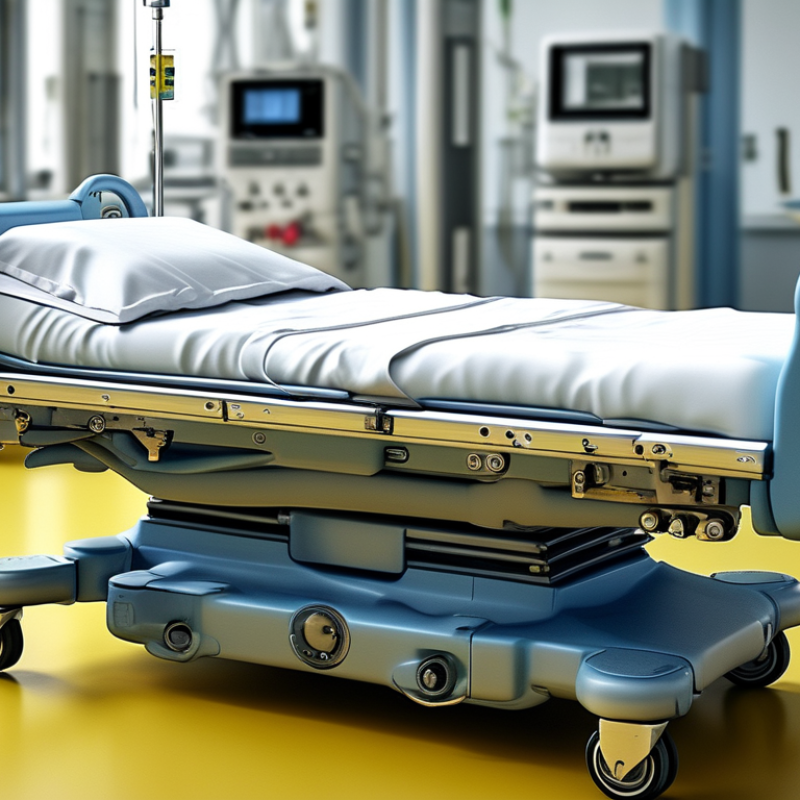
Benefits of Hydraulic Systems in Patient Transfer Trolleys
Hydraulic systems have emerged as a preferred choice for patient transfer trolleys in the healthcare sector. Their design enhances safety and efficiency, which are crucial in medical settings. According to a 2022 report from the American Journal of Nursing, around 70% of healthcare professionals prefer hydraulic systems due to their user-friendly operation. This preference is largely attributed to the ease of adjusting heights and angles, which can significantly reduce the risk of back injuries among staff during transfers.
The benefits extend to patient care as well. Hydraulic trolleys can lower patient transfer times by an estimated 20%. When seconds matter, having a smooth and controlled transfer is vital. A study by the Health Technology Assessment published in 2023 revealed that patients feel less anxiety and discomfort during transfers when they are moved using hydraulic systems. This technology minimizes jostling and promotes a feeling of stability, crucial for those with mobility issues.
Despite these advantages, it is essential to recognize areas for improvement. Regular maintenance is necessary to ensure hydraulic systems function optimally. Neglecting this can lead to malfunctions, potentially placing both patient and staff at risk. Continuous training for staff on proper usage is also vital. While the majority view hydraulic trolleys positively, engaging with healthcare professionals about their experiences can unveil valuable insights for enhancing these systems further.
Comparison of Hydraulic Systems and Manual Systems in Healthcare
Hydraulic systems for patient transfer trolleys offer significant advantages over manual systems in healthcare settings. The ease of use is a key factor. Nursing staff can easily adjust the height and position of the trolley with minimal physical effort. This reduces the risk of injury to both caregivers and patients, especially in emergency situations where time is critical. Manual systems can lead to strains or falls due to awkward lifting motions.
In terms of reliability, hydraulic trolleys typically require less maintenance than manual ones. They are designed to perform consistently under heavy loads. However, some practitioners might find them bulky and challenging to maneuver in tight spaces. This can detract from their overall effectiveness.
Moreover, hydraulic systems depend on hydraulic fluid, which may leak or require replenishing. Such issues should prompt healthcare facilities to have contingency plans in place.
The cost is another consideration. Hydraulic systems usually have a higher upfront cost compared to manual alternatives. However, the potential reduction in workplace injuries and the benefits of reliability can offset this initial investment over time. Facilities should weigh these factors carefully. Ultimately, the choice between hydraulic and manual systems should reflect the specific needs and circumstances of each healthcare environment.
Key Features of Hydraulic Patient Transfer Trolleys
Hydraulic patient transfer trolleys are designed with several key features that enhance their functionality and safety. One important aspect is their adjustable height. This feature allows for easy and safe transfer of patients from various surfaces, minimizing the risk of injury for both patient and caregiver. With adjustable height, caregivers can maintain a comfortable posture, reducing strain during the transfer process.
Another notable feature is the hydraulic lifting mechanism. This technology provides smooth and controlled movement, crucial for transporting patients with mobility challenges. The ease of raising and lowering the trolley enables caregivers to focus more on patient care, rather than struggling with awkward lifting.
Tip: Regular maintenance of hydraulic systems is essential. Check for fluid leaks and ensure all components are functioning properly. This can prevent accidents and prolong the trolley’s lifespan.
Additionally, many trolleys come equipped with
safety rails and locking mechanisms. These features ensure that patients remain secure during transport. However, caregivers should periodically assess the integrity of these safety features. Worn-out parts can compromise safety, leading to potential risks.
Tip: Always secure patients with belts or straps. This simple step can make a significant difference in preventing falls or injuries. Regularly reviewing safety practices will enhance overall care.
Safety Considerations for Hydraulic Patient Transfer Equipment
Hydraulic patient transfer trolleys have become a crucial part of modern healthcare. Their design incorporates advanced hydraulic systems that enhance safety during patient transportation. According to a recent study from the National Institute of Health, up to 85% of hospital transfers result in some form of injury when using traditional methods. This underscores the importance of hydraulic trolleys; they minimize the risk of strain and injury for both patients and healthcare professionals.
Safety features are paramount. Hydraulic systems allow for smooth height adjustments, which can reduce manual lifting. A report published by the Agency for Healthcare Research and Quality highlighted that ergonomic patient handling can lead to a 30% decrease in staff injuries. This statistic speaks volumes about the need for safe equipment. Furthermore, many hydraulic trolleys come equipped with locking wheels and safety rails, which help secure patients during transit.
Despite these advancements, challenges remain. Not all staff are trained to use hydraulic systems effectively, leading to misuse and potential risks. Ongoing education and adherence to safety protocols are vital. Regular maintenance of hydraulic systems is also crucial; neglected equipment can malfunction, resulting in hazardous situations. Training and diligent care ensure that the benefits of hydraulic trolleys are fully realized.
Safety Considerations for Hydraulic Patient Transfer Equipment
Maintenance and Durability of Hydraulic Transfer Trolleys
Hydraulic transfer trolleys are essential in healthcare. Their maintenance and durability are vital for safe patient transport. According to a report from the American Journal of Nursing, hydraulic systems can reduce the risk of injuries for both patients and healthcare staff by up to 30%. Regular inspections help identify wear and tear, ensuring longevity.
Tips for maintaining hydraulic systems include checking for leaks and keeping components clean. Ignoring small issues can lead to costly repairs. Studies suggest that trolleys with proper maintenance last 20% longer than poorly maintained ones. This not only saves money but also enhances safety.
Durability is another critical factor. A recent survey from Healthcare Technology Management shows that 75% of hospitals prefer hydraulic trolleys due to their robustness. The materials used in these systems are often selected for their strength and resistance to environmental factors. However, exposure to harsh cleaning chemicals can lead to deterioration. End users should remain vigilant against such factors.
FAQS
: Hydraulic systems enhance safety and efficiency in healthcare settings. They are user-friendly and reduce back injury risks during transfers.
They can lower patient transfer times by about 20%. This speed is essential when every second counts in healthcare.
Yes, patients report feeling less anxiety and discomfort. The smooth transfer reduces jostling and promotes stability for those with mobility issues.
Regular maintenance is crucial. Neglect can lead to malfunctions, risking safety for both patients and staff.
Hydraulic systems are easier to adjust. This ease of use reduces injury risks for caregivers, especially in emergencies.
Generally, yes. Hydraulic systems need less maintenance and perform consistently under heavy loads.
Some users find hydraulic trolleys bulky and hard to maneuver in cramped areas. This can affect effectiveness during transfers.
Yes, hydraulic systems usually have higher upfront costs. However, they may save money over time by reducing workplace injuries.
Continuous training is vital. Proper usage can enhance the effectiveness of hydraulic systems and limit potential issues.
Their insights can identify areas for improvement. Engaging users helps enhance the overall efficiency of these systems.
Conclusion
Hydraulic systems have become increasingly popular in patient transfer trolleys due to their numerous benefits, including enhanced patient safety and comfort. Why use hydraulic systems in patient transfer trolleys? They offer smoother lifts and lowers, reducing the risk of injury for both patients and healthcare staff. Compared to manual systems, hydraulic trolleys require less physical effort, leading to a decrease in workforce fatigue and a boost in efficiency.
Key features of hydraulic patient transfer trolleys include adjustable height, stability during transport, and ease of use, making them essential in modern healthcare environments. Safety is paramount, with hydraulic systems designed to prevent accidental drops and ensure secure patient positioning. Additionally, these trolleys tend to be more durable and require less maintenance, providing long-term value for healthcare facilities. Ultimately, the integration of hydraulic systems in patient transport not only enhances operational efficiency but also prioritizes patient care and safety.

 Datoral Medical