In 2026, the landscape for pediatric hospital cribs is evolving, driven by advancements in technology and safety standards. According to a report by the Pediatric Health Association, about 70% of hospitals are prioritizing patient-centered designs in their equipment. One critical aspect that garners attention is "What features to look for in a pediatric hospital crib." Experts emphasize that hospitals must select cribs that enhance safety and comfort.
Dr. Emily Chen, a pediatric care specialist, states, “The right crib can make a significant difference in a child’s recovery experience.” This insight highlights the importance of features like adjustable height, secure restraints, and durable materials. Safety features should meet stringent health regulations and provide peace of mind for parents and caregivers.
Moreover, as hospitals reassess their furniture needs, they often overlook usability aspects. Cribs should be easy to clean and versatile enough for different age groups. Many facilities still struggle with outdated designs that fail to accommodate the variety of pediatric care needs. The demand for cribs that combine innovation with practicality is more pressing than ever. Ensuring that features align with the needs of both the child and healthcare providers is essential for effective pediatric care.
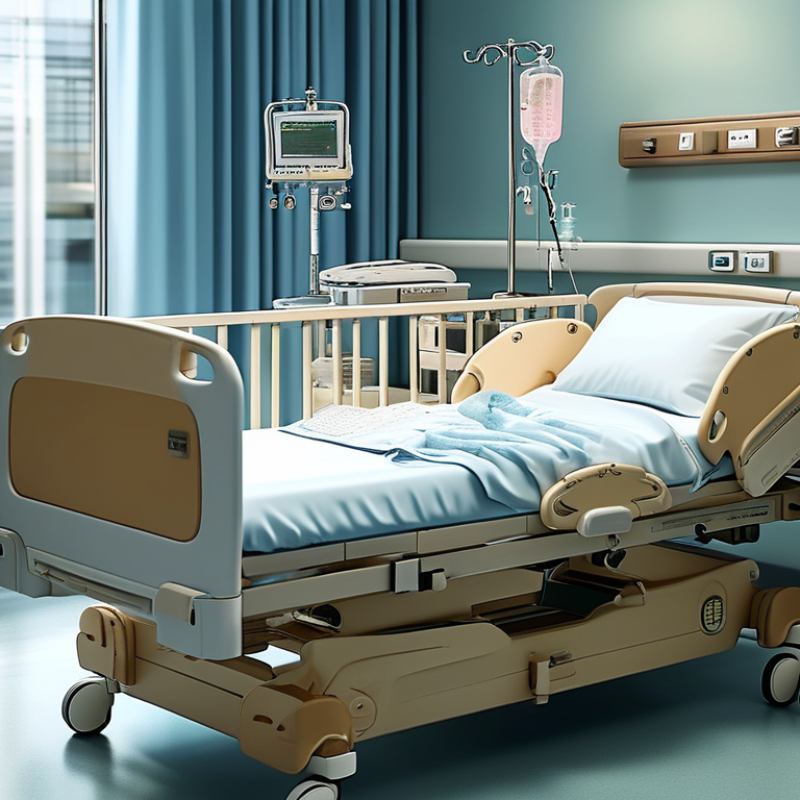
When considering pediatric hospital cribs for 2026, safety is paramount. Cribs must adhere to stringent safety standards set by bodies like the American Academy of Pediatrics (AAP). In recent studies, over 76% of pediatric injuries relate to unsafe sleep environments. Thus, modern cribs are designed with adjustable mattress heights and rounded corners to prevent accidents. These features support both safety and accessibility for healthcare workers.
Furthermore, compliance with the latest regulations is crucial. The Consumer Product Safety Commission (CPSC) has updated its guidelines, emphasizing features such as slat spacing less than 2 3/8 inches. This prevents infants from slipping through or becoming entrapped. A report by the National Institute of Health highlights that improper crib design can contribute to unsafe sleep practices, leading to increased risks of Sudden Infant Death Syndrome (SIDS).
While innovations continue, not all cribs meet the latest recommendations. Hospitals must regularly audit their equipment to ensure safety compliance. Many cribs may lack essential features that prioritize the well-being of young patients. Constant vigilance and improvement in crib design reflect the ongoing commitment to pediatric safety. Ensuring that every crib aligns with established safety protocols should be a priority for healthcare facilities.
: Safety is crucial as over 76% of pediatric injuries relate to unsafe sleep environments.
Modern cribs have adjustable mattress heights and rounded corners to prevent accidents.
Cribs must follow CPSC guidelines, such as slat spacing less than 2 3/8 inches.
Poor design can contribute to unsafe sleep practices, increasing risks of SIDS.
No, many cribs lack essential safety features. Regular audits are necessary.
Eco-friendly materials include recycled plastics and sustainably sourced wood.
Energy-efficient techniques and renewable energy use are becoming essential in production.
Not all manufacturers provide clear information, raising concerns among buyers.
They seek products that support the long-term health of children and the environment.
No, it remains ongoing and requires careful consideration and innovation.
In 2026, the best pediatric hospital cribs prioritize key safety standards that ensure the wellbeing of young patients. When considering what features to look for in a pediatric hospital crib, innovative design elements that enhance comfort and functionality are essential. These cribs are constructed from durable materials that promote cleanliness and withstand rigorous hospital environments.
Additionally, technological advancements have integrated smart features into these cribs, allowing for improved monitoring and comfort control. Sustainability is also a key consideration in manufacturing processes, ensuring that materials used are environmentally friendly and safe for children. Collectively, these elements contribute to a safer, more efficient, and comfortable experience for both patients and healthcare providers.

 Datoral Medical