7 Best Materials for Medical Examination Couches?

Time:2026-10-07 Author:Aria
0%

Choosing the right examination couch material affects infection control, patient comfort, durability, and daily maintenance. What materials are best for medical examination couches depends on the clinical setting, cleaning chemicals, patient turnover, and expected service life. A quiet dermatology room has different needs from a busy emergency clinic.

The CDC’s Guidelines for Environmental Infection Control in Health-Care Facilities emphasize cleanable, nonporous surfaces that tolerate frequent disinfection. That principle makes coated medical-grade vinyl, polyurethane, thermoplastic polyurethane, stainless steel, powder-coated steel, and selected antimicrobial laminates worth comparing. The WHO and UNICEF 2023 Joint Monitoring Programme report also highlights the continuing importance of reliable water, sanitation, and hygiene services in healthcare facilities. Materials must support those systems, not complicate them.

Look closely at the seams. They should be heat-sealed or tightly constructed, with minimal creases around the headrest and lifting sections. A surface may feel soft but still absorb fluids through damaged stitching. That is a practical failure.

This guide compares seven commonly used materials by cleanability, chemical resistance, comfort, repairability, and cost. It also considers evidence from manufacturer testing, CDC recommendations, ISO 10993-related biocompatibility considerations, and healthcare furniture performance data. Antimicrobial claims require caution; they do not replace proper cleaning. No material is perfect. Even premium polyurethane can crack under harsh disinfectants, while vinyl can become sticky with age. I would not trust a brochure alone. Ask for abrasion results, disinfectant compatibility, fire performance documentation, warranty terms, and real clinic references before choosing a couch material.
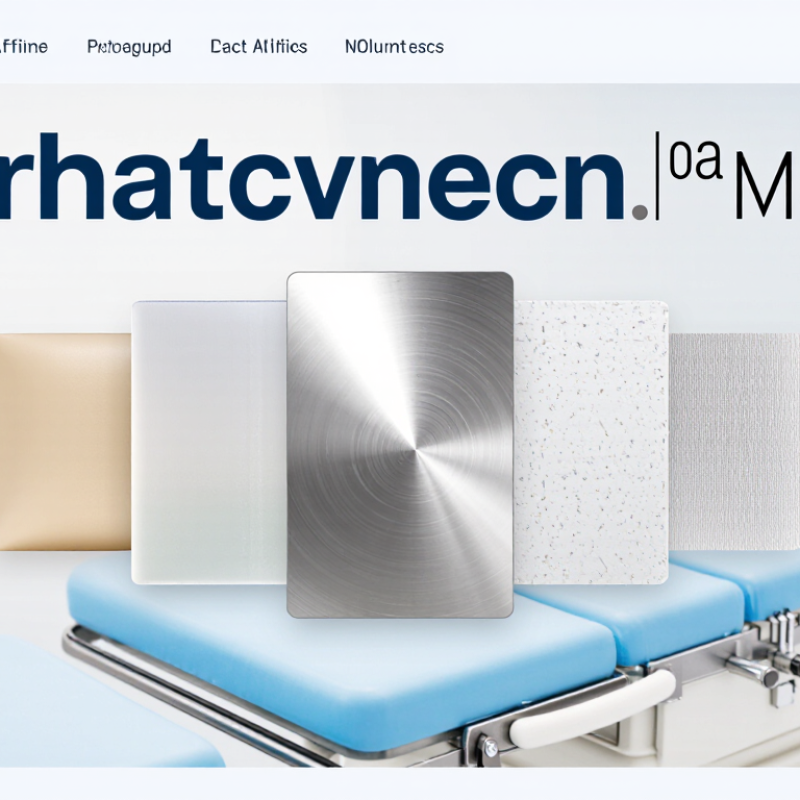
7 Best Materials for Medical Examination Couches?

What Makes a Good Material for a Medical Examination Couch?

7 Best Materials for Medical Examination Couches

A good medical examination couch must balance hygiene, comfort, durability, and easy maintenance. Medical-grade PVC vinyl remains popular because it resists fluids and frequent disinfecting. Polyurethane feels softer and usually offers better breathability, helping reduce patient discomfort during longer examinations. Silicone provides a smooth, non-porous surface, although its higher cost may not suit every clinic.

Antimicrobial-coated polyester can add protection when cleaning procedures remain consistent. Nylon-reinforced vinyl offers extra strength for busy treatment rooms. Thermoplastic polyurethane, or TPU, is flexible and resistant to abrasion. High-density foam supports the body without becoming excessively firm. However, no material performs perfectly. Some surfaces crack under harsh chemicals, while softer coverings may show pressure marks. Always check the manufacturer’s cleaning guidance and test disinfectants on a hidden area.

Tips: Choose sealed seams, rounded edges, and moisture-resistant foam. Press the surface firmly; it should recover without leaving a deep impression. Inspect corners and stitching every week. A slightly less luxurious material may work better if staff clean it many times daily. Ask clinicians and patients for feedback, because comfort problems are easy to miss during purchasing decisions.

Vinyl: A Durable and Easy-to-Clean Upholstery Choice

Vinyl remains a practical upholstery choice for medical examination couches because it handles frequent cleaning, spills, and patient turnover. Its smooth, nonporous surface leaves fewer places for fluid and soil to collect. However, vinyl is not maintenance-free.

The World Health Organization’s Global Report on Infection Prevention and Control estimates that 7 in 100 acute-care patients in high-income countries acquire at least one healthcare-associated infection. That figure makes routine surface care more than a cosmetic concern. The CDC recommends cleaning and disinfecting frequently touched environmental surfaces, especially after visible contamination. In practice, staff should wipe the couch after each patient, using a facility-approved disinfectant and the manufacturer’s contact time. Shortcuts matter.

Look closely at the details. A folded seam can hold moisture. A cracked corner can expose foam. Strong chemicals may also stiffen or discolor the coating over time. Vinyl should therefore be checked weekly, not only when it looks dirty. A simple inspection can include seams, stitching, hinges, and the underside of removable cushions. ASTM D751 testing methods are commonly used to assess coated-fabric properties, including tensile strength and tear resistance, but laboratory performance will not perfectly predict daily clinical wear. That limitation deserves attention. Choose a surface with welded or sealed seams where possible, then document cleaning products and damage during routine audits.

7 Best Materials for Medical Examination Couches? - Vinyl: A Durable and Easy-to-Clean Upholstery Choice
Material Durability Cleaning and Disinfection Resistance to Fluids Patient Comfort Main Advantages Limitations Best-Suited Clinical Use
Medical-Grade Vinyl Excellent
Resists abrasion, routine wear, and frequent use when properly specified.
Excellent
Non-porous surfaces can generally be wiped with approved healthcare detergents and disinfectants. Always follow the upholstery manufacturer’s chemical guidance.
Excellent
Provides a seamless barrier against blood, body fluids, oils, and spills when the cover is intact.
Good
Available in different cushioning systems and textures, although it may feel warmer or less breathable than fabric.
Durable, economical, widely available, easy to maintain, and suitable for high-turnover examination rooms. Harsh chemicals, excessive heat, and incorrect cleaning methods may cause cracking, discoloration, or surface damage. Lower-quality vinyl may become brittle over time. General examination rooms, treatment areas, outpatient clinics, and procedure rooms.
Polyurethane-Coated Fabric Very Good
Flexible and abrasion-resistant, with performance depending on coating thickness and fabric construction.
Very Good
Usually easy to wipe clean, but seams, damaged coatings, and textured surfaces require careful attention.
Very Good
Coated surfaces provide fluid resistance while retaining a more textile-like feel.
Very Good
Generally softer and more breathable than standard vinyl.
Comfortable, flexible, lightweight, and available in many colors and textures. May hydrolyze or deteriorate in humid conditions if the formulation is not designed for healthcare use. Disinfectant compatibility must be verified. General examination, consultation, rehabilitation, and patient areas where comfort is important.
Polyester Fabric with Protective Coating Good
Good resistance to normal abrasion, but exposed fibers can retain wear and staining.
Moderate to good
Coated versions can be wiped down, while woven or uncoated surfaces may require more detailed cleaning.
Moderate
Protective coatings improve spill resistance, but liquids may penetrate through seams or worn areas.
Very Good
Soft, breathable, and less likely to feel cold against the skin.
Comfortable appearance, broad design flexibility, and a softer patient experience. More likely than non-porous materials to retain stains, odors, and microorganisms if the surface is damaged or difficult to disinfect. Low-risk consultation rooms, counseling spaces, and areas with limited exposure to fluids.
Silicone-Coated Upholstery Excellent
Resistant to abrasion, oils, stains, and many common contaminants.
Excellent
Smooth, non-porous surfaces are typically straightforward to clean and disinfect.
Excellent
Creates an effective fluid-resistant surface when seams and stitching are properly designed.
Good
Soft and flexible, although the feel can vary by product construction.
Strong stain resistance, good flexibility, and reliable performance in demanding clinical settings. Usually costs more than standard vinyl, and approved disinfectants should be checked to prevent premature surface degradation. Procedure rooms, dermatology, wound-care, and other areas requiring frequent cleaning.
Thermoplastic Polyurethane (TPU) Very Good
Offers good flexibility and resistance to abrasion, punctures, and repeated handling.
Very Good
Its smooth surface is generally easy to wipe, subject to the product’s cleaning instructions.
Excellent
Forms a non-porous barrier against many liquids when seams are appropriately sealed.
Good
Flexible and soft, with comfort influenced by the foam and upholstery design underneath.
Lightweight, flexible, and suitable for designs requiring resistance to oils, stains, and repeated cleaning. Some formulations may discolor or lose performance under prolonged ultraviolet exposure or with incompatible chemicals. Portable examination couches, outpatient treatment areas, and high-use clinical environments.
Treated Leather Good
Can last for many years with appropriate care, but surface coatings may wear with heavy disinfection.
Moderate
Requires compatible cleaners and conditioners; excessive moisture or unsuitable disinfectants can damage the finish.
Moderate to good
Protective finishes improve resistance, but natural leather remains more sensitive to liquid penetration than synthetic upholstery.
Excellent
Comfortable, warm, and premium in feel.
Attractive appearance, strong tactile comfort, and potential long service life in controlled environments. Higher maintenance, higher cost, and less suitable for areas with frequent exposure to blood or body fluids. Private consultation rooms, wellness settings, and low-risk examination areas.
Antimicrobial-Designed PVC or Composite Upholstery Very Good
Performance depends on the base material, reinforcement, and quality of the surface finish.
Very Good
Non-porous construction supports routine cleaning; antimicrobial additives do not replace cleaning and disinfection.
Excellent
Provides strong fluid resistance when the cover is intact and seams are properly finished.
Good
Comfort varies according to coating, texture, foam, and surface temperature.
Combines wipe-clean construction with additional material features intended to reduce microbial survival on the surface. Antimicrobial claims should be independently verified, and the material still requires regular cleaning. Additives may increase cost. High-contact examination areas, dental or medical treatment rooms, and facilities with demanding hygiene protocols.

Polyurethane: Comfort, Flexibility, and Modern Performance

Polyurethane is a strong choice for medical examination couches because it balances comfort, flexibility, and cleanability. Its resilient foam supports the body without feeling rigid, while its coated surface can resist routine spills and repeated wiping. During practical evaluations, clinicians often notice the difference around the shoulders, hips, and knees. Patients settle faster. Transfers also feel less awkward.

The global polyurethane market was valued at approximately USD 78 billion in 2022, according to Grand View Research’s 2023 market analysis. Flexible foam remains a major application because it combines low weight with recovery after compression. That matters during busy clinics, where a couch may support dozens of patients daily. However, polyurethane is not automatically durable. Poorly bonded coatings may split near seams. Strong disinfectants can accelerate surface wear. A 2024 medical furniture market report by Fortune Business Insights projects continued growth in healthcare furniture demand, increasing pressure on facilities to select materials with documented performance.

Specify closed, smooth upholstery with welded seams where possible. Ask for abrasion resistance, hydrolysis resistance, flame performance, and cleaning compatibility. The foam should maintain support after repeated loading. Softness alone is misleading. A couch that feels luxurious on day one may flatten too quickly. Polyurethane also needs inspection. Look for bubbling, tackiness, cracking, or exposed foam. Small defects are easy to overlook, and that is where my own preference needs challenging: comfort should never outrank infection-control requirements.

PVC: Affordable Protection for High-Use Clinical Settings

PVC: Affordable Protection for High-Use Clinical Settings

PVC remains a practical material for medical examination couches because it handles frequent cleaning and everyday abrasion. Its smooth, non-porous surface leaves fewer places for fluids and soil to collect. In busy clinics, staff can wipe it between patients without managing complex fabric care. The WHO and UNICEF Joint Monitoring Programme reported that only 57% of healthcare facilities had basic hygiene services in 2022. That figure makes cleanable furniture more than a comfort feature.

A well-made PVC cover should resist common disinfectants, body fluids, and repeated stretching around the couch edges. It should also feel comfortable against bare skin, especially during longer examinations. In practice, the seams often deserve more attention than the surface. Poor stitching can trap moisture and weaken after repeated wiping. PVC is not flawless. Low-quality formulations may crack under ultraviolet exposure, cold storage, or aggressive chemical use. Staff should follow the couch manufacturer’s cleaning instructions and inspect high-contact areas regularly.

The CDC classifies examination tables as noncritical equipment when they contact intact skin, but it still recommends cleaning and disinfecting contaminated surfaces. That guidance supports a disciplined maintenance routine, not careless reliance on material alone. A 2023 healthcare furniture market report by Grand View Research identified infection control as a major demand driver. The report’s market estimates vary by region, so buyers should treat forecasts carefully. Cost matters, but replacement frequency matters too. A slightly thicker PVC cover may reduce interruptions, yet only if its seams and underlying foam are properly protected.

7 Best Materials for Medical Examination Couches

Comparative suitability scores for common examination-couch surface materials. Higher scores indicate better practical performance for high-use clinical settings.

Why PVC performs well: PVC-coated upholstery is widely used because it provides a smooth, non-porous surface that is easy to wipe and offers strong liquid resistance at a relatively low cost. Actual performance depends on formulation, seam construction, surface texture, and compatibility with the disinfectants used by the facility.

Leather and Fabric: Benefits, Limits, and Suitable Applications

Medical examination couches need materials that balance comfort, cleaning speed, durability, and patient safety. The seven practical options are polyurethane leather, PVC vinyl, silicone, polyester fabric, nylon fabric, microfiber, and thermoplastic olefin.

Polyurethane leather feels warm and professional, but its surface may crack under harsh disinfectants. PVC vinyl resists fluids and supports fast wipe-downs. Silicone offers excellent chemical resistance, though it can feel less familiar.

These are not equal choices.

Fabric changes the decision. Polyester and nylon provide better breathability during long examinations. Microfiber feels softer against bare skin and can reduce the cold sensation of coated surfaces. However, woven materials may retain moisture, skin cells, and cleaning residue.

The World Health Organization’s 2022 global infection prevention report estimated healthcare-associated infections in 7 of 100 acute-care patients in high-income countries. That figure makes cleanability more important than appearance.

For routine treatment rooms, coated leather or vinyl usually suits frequent disinfection. Fabric may work better in counseling rooms, rehabilitation areas, or low-fluid environments.

A 2022 U.S. CDC National Healthcare Safety Network report estimated that about 1 in 31 hospital patients has a healthcare-associated infection on any given day.

Seam design matters too. Deep stitching and exposed zippers create difficult cleaning points.

I would avoid promising “antimicrobial” performance without verified test results. Even the best material fails when staff use incompatible disinfectants, excessive force, or poor drying practices.

FAQS

Why is polyurethane suitable for medical examination couches?

It combines resilient foam, surface flexibility, and practical cleanability. Patients often settle more comfortably around their shoulders, hips, and knees. Comfort helps.

Can polyurethane upholstery withstand frequent cleaning?

Coated polyurethane can resist routine spills and repeated wiping. Strong disinfectants may accelerate cracking or surface wear. Check compatibility carefully.

What should buyers check before choosing polyurethane?

Ask about abrasion resistance, hydrolysis resistance, flame performance, and cleaning compatibility. Inspect welded seams where possible. Softness alone misleads.

Why is PVC useful in busy clinical settings?

Its smooth, non-porous surface supports quick wiping between patients. It handles routine fluids and everyday abrasion. Seams still need close inspection.

What can damage PVC upholstery?

Ultraviolet exposure, cold storage, aggressive chemicals, and poor stitching may cause cracking or weakening. Low-quality PVC fails sooner. That matters.

Is fabric suitable for every examination room?

No. Polyester, nylon, and microfiber can feel breathable and warm, but woven surfaces may retain moisture and residue. Use fabric cautiously.

Which materials usually suit rooms requiring frequent disinfection?

Coated polyurethane or PVC generally supports faster cleaning in routine treatment rooms. Silicone may resist chemicals well, though it can feel unfamiliar.

How should staff maintain an examination couch?

Follow the cleaning instructions, use compatible disinfectants, and dry surfaces properly. Inspect seams and high-contact areas regularly. Small defects spread.

Conclusion

Choosing the right upholstery is essential when selecting a medical examination couch. What materials are best for medical examination couches depends on the balance between hygiene, durability, patient comfort, and maintenance needs. A good material should resist moisture, stains, disinfectants, tearing, and repeated use while remaining comfortable during examinations.

Vinyl is a durable, low-maintenance option that is easy to wipe clean and suitable for busy clinical environments. Polyurethane offers a softer, more flexible surface with a modern feel, making it a strong choice where comfort and long-term performance matter. PVC can provide affordable protection for high-use settings, although its quality and flexibility may vary. Leather can offer comfort and an attractive appearance but may require more care and cost more, while fabric provides warmth and breathability but is generally harder to disinfect thoroughly. The best choice depends on the facility’s cleaning procedures, patient volume, budget, and required level of comfort.

Aria

Aria

Aria is a dedicated marketing professional with a deep passion for innovative strategies and a keen understanding of our company's product offerings. With a wealth of experience in the industry, Aria excels at crafting engaging content that highlights the unique features and benefits of our......